Stories
Essar Group's $18 Billion US Steel Plant: India Outpaces China in American Investment?
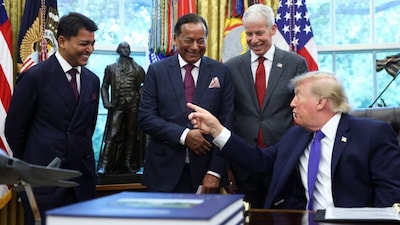
- •India's Essar Group is investing $18 billion in America's largest steel project, including a $15 billion complex in Iowa and $3 billion in Minnesota's iron ore mine.
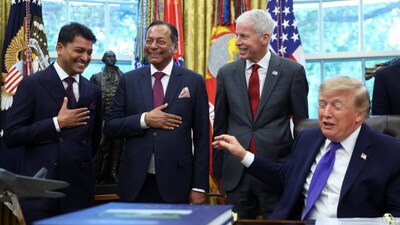
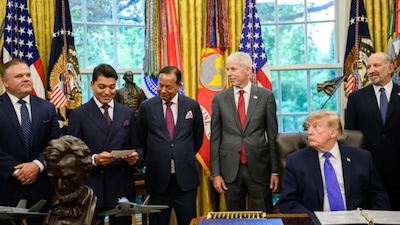
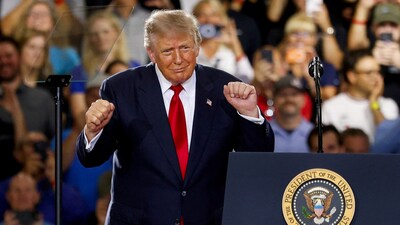
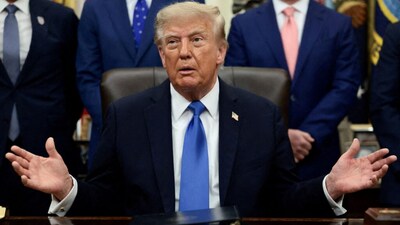
- •The project, praised by Donald Trump, aims to create a complete supply chain from mining to steel production, with an initial capacity of 7.5 million tons annually.
- •This investment highlights India's growing presence in the US, with Indian companies having already invested $40 billion and creating over 70,000 jobs.
- •In contrast, China's direct investment in the US has significantly decreased, reaching its lowest level since 2011 due to increased strategic and trade tensions.
- •While the US administration links the project to steel tariffs, market opportunities and raw materials are also key factors for Essar's investment.
Key Questions Answered
India's Essar Group, through its US unit Mesabi Metallics, is investing roughly $18 billion to build the largest steel plant in American history in Iowa, alongside an iron ore mine project in Minnesota. The massive project is expected to begin production by 2030, eventually reaching an annual output capacity of up to 10 million tons of steel.
Official figures show that Indian companies have invested about $40 billion in America, directly employing over 70,000 workers, excluding Essar's new $18 billion venture. In contrast, China's direct investments in the US have significantly declined due to increased trade tensions and stricter US policies, with total direct investment dropping to about $19 billion by the end of 2025.
The US administration attributes the project's realization to Donald Trump's 2025 hike of foreign steel import tariffs to 50 percent, arguing that high import duties compel global companies to establish manufacturing operations directly inside the United States. However, officials and analysts note that market factors, local raw materials, and long-term business opportunities also drove Essar's decision.