Stories
Delhi's 'Dirty Air' Silently Sickness: Government Releases Winter Pollution Action Plan.
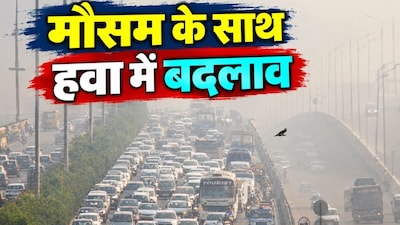
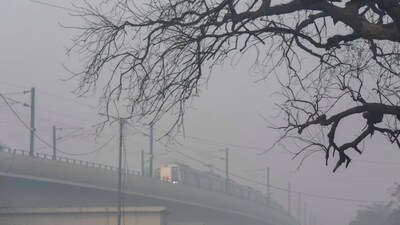
- •Pollution has become an annual issue in Delhi-NCR, prompting many to plan leaving the city during winter.
- •The Delhi government has released its Winter Pollution Action Plan 2026-27, effective from November 1 to February 28.
- •Under the plan, 50% of employees in government and private offices will work from home from November 1 to January 31.
- •From November 1, external vehicles not meeting BS-VI standards are banned in Delhi, and fuel won't be available without a PUC.
- •Polluted air, with fine particles like PM2.5 and PM10, harms the entire body, leading to asthma, heart disease, and other health issues.
Key Questions Answered
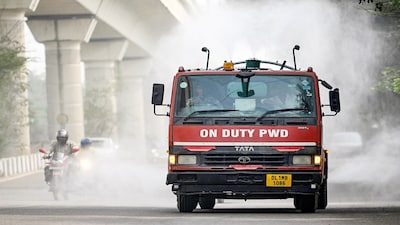
The Delhi government announced the Winter Pollution Action Plan 2026-27, which runs from November 1 to February 28. It introduces strict curbs including restricting government and private office attendance to 50% from November 1 to January 31, doubling parking fees, barring non-BS-VI external vehicles, banning fuel sales without a PUC certificate, and halting dust-generating construction work.
Fine particulate matter like PM2.5 and PM10 penetrates deep into the lungs and bloodstream, worsening conditions like asthma, bronchitis, and COPD, while increasing the risk of heart attacks, strokes, high blood pressure, and premature death. It also affects children's lung development, causes skin and eye irritation, and raises risks for pregnant women.
Due to Delhi-NCR turning into a gas chamber every winter, many residents like Prachi Jain and Saloni plan ahead to relocate or work remotely in cities like Bhopal and Kishangarh during the pollution season. Concurrently, authorities have introduced early preventive policies under the Winter Pollution Action Plan to control dust, vehicle emissions, and office crowds.