Stories
Delhi's New Anti-Pollution Strategy: Early Action Before Winter Smog. Will It Work?
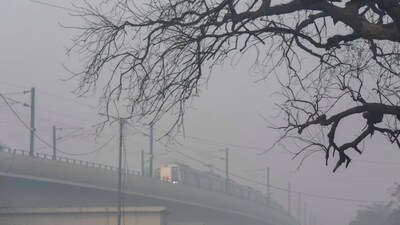
- •Delhi implements new anti-pollution rules before winter, shifting from reactive to proactive measures to tackle emissions early.
- •The strategy includes a "No PUCC, No Fuel" rule from October 1 and stricter measures like construction bans and work-from-home requirements from November 1.
- •Despite a lower average AQI in September, experts warn that the true test will be during November, December, and January, when pollution typically peaks.
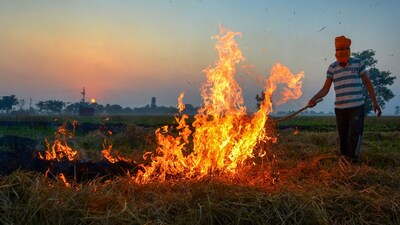
- •The multi-faceted problem of Delhi's pollution, stemming from transport, dust, construction, industry, and biomass burning, requires comprehensive solutions.
- •Success hinges on effective enforcement, regional coordination with neighboring states, and whether measures genuinely reduce emissions at their source.
Key Questions Answered
Delhi introduced an early anti-pollution strategy for winter 2026-27, beginning on October 1 with the strict "No PUCC, No Fuel" rule where vehicles lacking a valid Pollution Under Control Certificate can be denied fuel at petrol pumps monitored by automated cameras and digital databases_.
Starting November 1, 2026, tougher measures come into effect, including restrictions on non-BS-VI out-of-state commercial vehicles entering Delhi, a 50% work-from-home mandate for offices, staggered office timings, and doubled authorized parking fees to discourage private vehicle use_.
Dust-generating demolition work and outdoor civil construction are restricted from November 1, 2026, to January 31, 2027_. A complete, strict ban on all construction and demolition activities is scheduled to be enforced between December 10, 2026, and January 20, 2027_.