Stories
Ujjain Simhastha Kumbh Mela: FAQs on Mega Event Amid Tensions
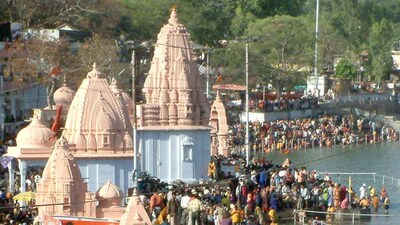
- •Simhastha Kumbh Mela is a major Hindu pilgrimage held roughly every 12 years in Ujjain, Madhya Pradesh, and Nashik-Trimbakeshwar, Maharashtra, attracting millions of devotees for sacred baths and religious discourses.
- •Both Nashik and Ujjain are associated with Simhastha due to Jupiter's position in Leo (Simha Rashi), but their festival dates differ based on specific astronomical and religious calculations.
- •Kumbh Mela is held at four major pilgrimage sites—Prayagraj, Haridwar, Nashik, and Ujjain—each with unique planetary conditions determining its timing.
- •The tradition is linked to the Samudra Manthan, where drops of the nectar of immortality are believed to have fallen at the four Kumbh sites, making bathing in sacred rivers spiritually significant.
- •Ujjain is important as it is home to the Mahakaleshwar Jyotirlinga, one of the 12 Jyotirlingas dedicated to Lord Shiva, making it a major spiritual destination for pilgrims.
Key Questions Answered
Simhastha Kumbh Mela is a major Hindu pilgrimage held roughly once every 12 years in Ujjain, Madhya Pradesh, and Nashik-Trimbakeshwar, Maharashtra. Millions of devotees and ascetics gather for sacred baths, prayers, and religious processions during this mega event.
Both cities are linked to Simhastha because their traditional gatherings coincide with Jupiter, or Brihaspati, being positioned in Leo, known as Simha Rashi in Sanskrit. Jupiter takes approximately 11.86 Earth years to complete an orbit, spending about a year in each zodiac sign.
The tradition stems from Samudra Manthan, where gods and demons fought over a pot of Amrit, and drops of the nectar fell at the four Kumbh sites. Bathing in the sacred rivers during the festival is believed to cleanse past sins and bring devotees closer to spiritual liberation.