Stories
Decoding Emergency: What Pilots' 7500, 7600, and 7700 Codes Mean

M
Moneycontrol•30-09-2026, 18:27
Decoding Emergency: What Pilots' 7500, 7600, and 7700 Codes Mean
- •Pilots use three- or four-digit squawk codes via transponders to alert air-traffic controllers to emergencies.
- •The internationally standardized emergency codes are 7500 for unlawful interference, 7600 for communications failure, and 7700 for a general emergency.
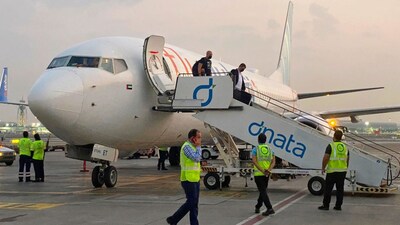
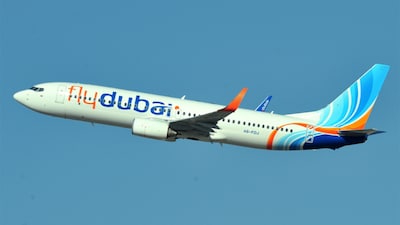
- •The flydubai flight FZ1073 incident highlighted these codes, transmitting 7700 then 7500 before diverting, initially raising hijacking fears.
- •7500 indicates unlawful interference, such as a hijacking, prompting specific procedures for controllers.
- •7600 signals a loss of two-way radio communication, alerting controllers to follow established procedures for communication failure.
- •7700 is a general emergency code, used for various situations from mechanical problems to medical emergencies, requiring immediate assistance.
- •These codes are not secret; they are part of a standardized aviation system providing critical information quickly to air-traffic control, even in difficult communication scenarios.
Key Questions Answered
Squawk code 7500 is used to indicate unlawful interference with an aircraft, which can include situations like a hijacking.
Code 7600 specifically indicates a communications failure when an aircraft loses normal two-way radio contact. In contrast, 7700 is a general emergency code used for a wide range of situations requiring immediate assistance, such as a serious mechanical problem or a medical emergency.
Yes, emergency squawk codes can be triggered accidentally, which is why pilots are trained to use the aircraft's transponder very carefully.