Stories
Flydubai Hijack Scare: Captain Fights Off Co-Pilot, Emergency Codes Explained

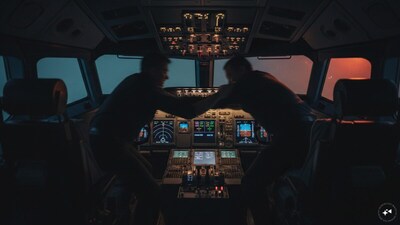
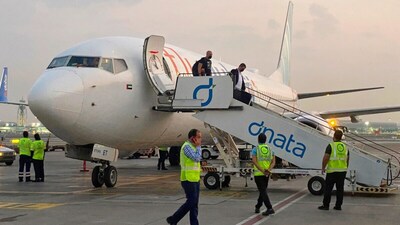
- •A Flydubai flight from Dubai to Tel Aviv experienced a mid-air security scare when co-pilot, an Omani national, stabbed Captain Smit Machchhar and attempted to sabotage the system.
- •The incident involved the declaration of emergency codes 7700 (general emergency) and 7500 (unlawful interference), leading to a diversion to Tabuk, Saudi Arabia.
- •Squawk codes are four-digit numbers entered into an aircraft's transponder to communicate with air traffic control about specific situations.
- •Code 7500 signifies unlawful interference, including attempted hijacking, while 7700 indicates a general emergency requiring immediate attention.
- •Code 7600, not used in this incident, signals a loss of communications, informing controllers of a radio communication failure without implying a technical or mechanical emergency.
Key Questions Answered
During a flight from Dubai to Tel Aviv, the co-pilot stabbed Indian captain Smit Machchhar and attempted to hijack the aircraft. Crew members and passengers successfully overpowered the co-pilot, averting a major tragedy while the plane was diverted to Tabuk in Saudi Arabia.
Squawk codes are four-digit numbers entered into an aircraft's transponder to silently alert air traffic control. Code 7500 signifies unlawful interference or a hijacking attempt, 7600 indicates a loss of two-way radio communications, and 7700 represents a general emergency such as a mechanical or medical problem.
Yes, these codes can be triggered accidentally, though pilots are trained to use them with extreme caution because they immediately signal emergencies and can induce panic. Entering any of these codes automatically sets the corresponding status on ADS-B systems.