Stories
Snakebite: Avoid These 5 Mistakes, Seek Immediate Hospital Care – Dr. Umesh Bharti
- •After a snakebite, prioritize hospital treatment over sorcery or home remedies.
- •Do not incise the bite site or attempt to suck out venom; keep the patient calm.
- •Maintain clean surroundings, control rodents, and clear brush piles to prevent snakes.
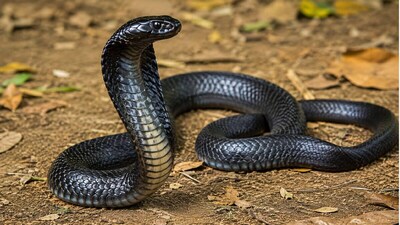
- •Common Krait and Russell's Viper are prevalent venomous snakes in Kangra.
- •Anti-snake venom is now available at primary health centers, ensuring timely treatment.
Key Questions Answered
Following a snake bite, you should never make an incision at the site, try to suck out venom, engage in sorcery or non-medical treatments, panic, or waste time trying to determine if the snake was venomous. Keep the person calm and take them to the hospital immediately.
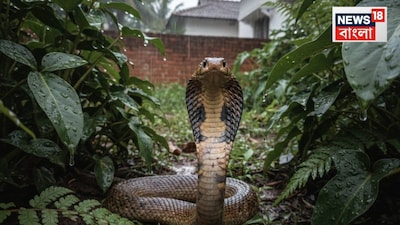
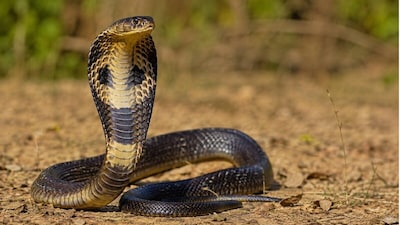
According to Dr. Umesh Bharti, the major venomous snakes found in Kangra include the Common Krait and Russell's Viper. Additionally, the Cobra is a dangerous species, and Himalayan Pit Viper bites may occur in high-altitude areas.
A Common Krait bite often leaves no clear marks, swelling, or pain. If a person experiences symptoms like nausea, vomiting, or abdominal pain after waking up in the morning with suspected snake contact, it must be treated seriously. Krait venom can affect the nervous system and respiratory muscles, causing a serious condition.