Stories
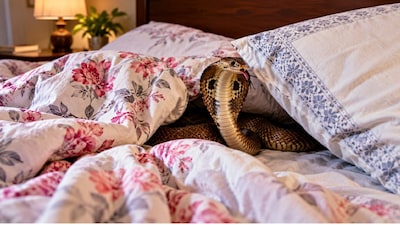
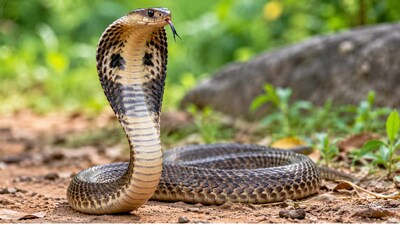
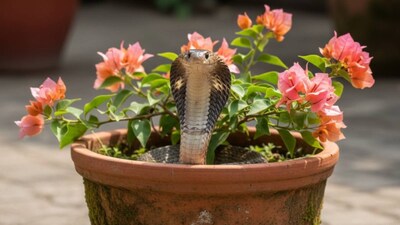
Snakes in Toilets, Cars! 6 Signs & Expert Advice: How to Prevent Snake Encounters?

- •Even after monsoon, snake fear persists in rural Bengal, with snakebite deaths reported in jungle-bordering districts.
- •Snakes enter human settlements seeking shelter, warmth, and food, often through wall gaps, drains, or rodent holes.
- •Keeping surroundings clean, sealing wall cracks, and controlling rodents significantly reduce snake entry into homes.
- •Cars, especially bonnets, can harbor snakes; check vehicles after parking near bushes before starting them.
- •In case of snakebite, immediate hospital visit is crucial; avoid traditional healers and seek antivenom treatment promptly.
Key Questions Answered
Snakes do not intentionally enter homes to follow humans, but rather come towards populated areas in search of shelter, favorable temperature, and food sources like rodents. During the monsoon season, when their natural burrows and shelters are flooded by rainwater, they move closer to human settlements looking for dry and safe places.
Snakes can hide inside car bonnets attracted by warmth, dark spaces, or rats, so it is safe to check the underside before driving. Though rare, they can also enter toilets through drainage pipes, septic systems, or inadequately sealed connections, which can be prevented by keeping drainage openings properly covered and turning on lights when entering.
The first and most important step after a snakebite is to transport the patient to the hospital quickly without wasting time on witch doctors, herbal treatments, or cutting the wound. Appropriate medical treatment and antivenom should be administered as soon as possible, especially since krait bites may lack severe pain or clear bite marks initially.