Stories
Why Nepal Dashain and India Dussehra Traditions Differ Significantly
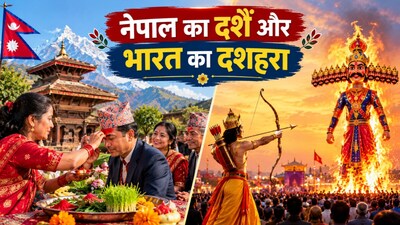
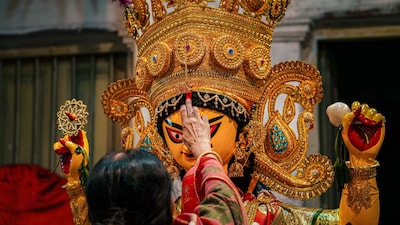
- •In Nepal, Dashain is celebrated as a multi-day festival focused on Goddess Durga worship, family reunions, and receiving blessings with red tika and jamra.
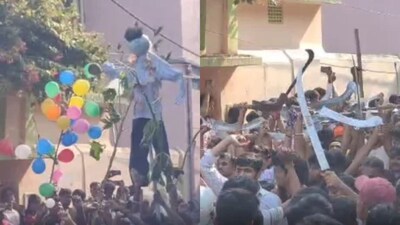
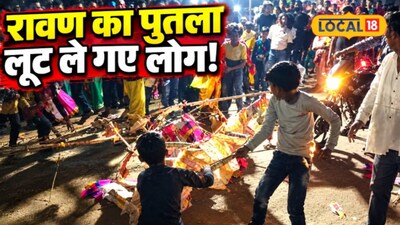
- •In India, Vijayadashami is primarily known for Ramlila and the burning of effigies of Ravana, symbolizing the victory of good over evil.
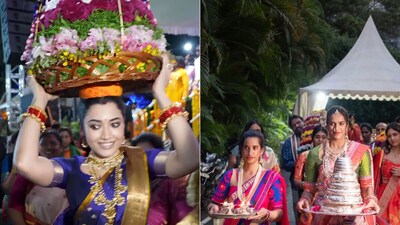
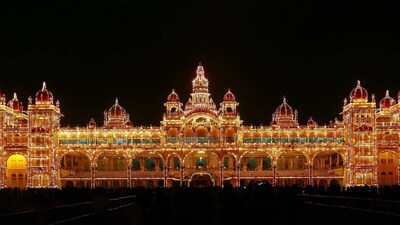
- •Regional diversity exists within India too, with West Bengal celebrating Durga Puja immersion and places like Mysore hosting grand processions.
- •The differences in celebrations stem from local cultures, historical developments, and distinct regional religious beliefs.
- •Despite differing rituals, both festivals share the core message of righteousness, family values, and the triumph of good.
Key Questions Answered
In Nepal, Dashain is a multi-day celebration beginning with Ghatasthapana to worship Goddess Durga. On Vijayadashami, family members gather, wear new clothes, and dine together while younger members seek blessings from elders who apply red tika and give jamra sprouts.
In many parts of India, Vijayadashami is marked by Ramlila and the burning of effigies of Ravana, Meghnad, and Kumbhakarna to symbolize the victory of good over evil. However, celebrations vary regionally, such as Durga Puja conclusions in West Bengal or processions in Mysore and Kullu.
While both festivals share core concepts like the triumph of good over evil and the worship of Goddess Durga, their differing traditions evolved over time due to local cultures, histories, and religious beliefs. Nepal focuses on family reunions and receiving blessings, whereas India prominently highlights Lord Rama's victory.