Stories
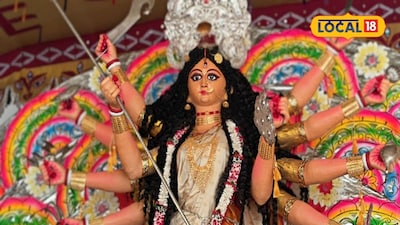
The Significance of Ulu Dhwani and Tongue Wiggling Tradition in Bengal Durga Puja

- •During Durga Puja in West Bengal, women wiggle their tongues rapidly to produce a unique sound known as Ulu Dhwani or Uludhvani.
- •The tradition is associated with happiness, auspicious occasions, religious faith, and is believed to ward off negative energies.
- •Apart from Durga Puja, Ulu Dhwani is also performed during weddings, child births, and housewarming ceremonies in Bengali culture.
- •This traditional practice requires no musical instruments, allowing women to create a festive atmosphere using only their voices.
- •The combination of dhak beats, conch shell sounds, and Ulu Dhwani gives the Durga Puja festival its distinct cultural identity.
Key Questions Answered
Ulu Dhwani is an old cultural tradition in Bengal, also known as ululation, where women rapidly move their tongues to create a high and undulating sound. When multiple women produce this sound together in a group during rituals like aarti or Sindoor Khela, its echo resonates throughout the entire puja venue.
In Bengali culture, Ulu Dhwani is deeply associated with happiness, auspicious beginnings, religious enthusiasm, and festive celebrations. According to religious and cultural beliefs, this sound is considered auspicious, tied to wishing for well-being, and sometimes associated with protection from negative energies.
Aside from Durga Puja, women in Bengali families perform Ulu Dhwani on various auspicious and joyous occasions such as weddings, the birth of a child, and housewarming ceremonies. It serves as a traditional way to express happiness, make special moments memorable, and create a festive atmosphere using only their voices.