Stories
Predator vs MQ-9 Reaper: How the Two Iconic US Military Drones Compare
- •The MQ-1 Predator pioneered armed drone operations for the US military before being officially retired in March 2018.
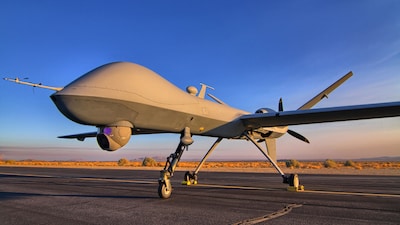
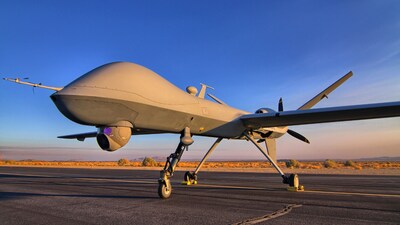
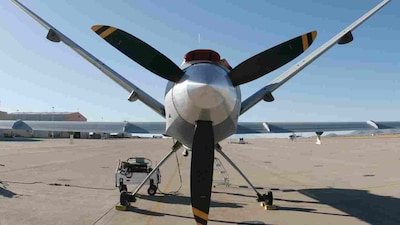
- •The MQ-9 Reaper evolved directly from the Predator program, originally known as Predator B, and was built for greater strike capability.
- •The Reaper features a Honeywell turboprop engine providing nearly eight times the power of the Predator, enabling higher speeds and a 50,000-foot ceiling.
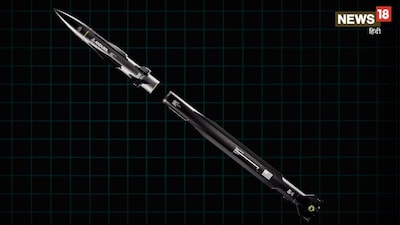
- •With a payload capacity of about 1,701 kg, the MQ-9 can carry up to eight Hellfire missiles and multiple guided bombs, vastly outperforming the Predator.
- •The MQ-9 carries a more sophisticated sensor suite including infrared sensors, daylight cameras, and synthetic aperture radar for advanced targeting.
Key Questions Answered
The MQ-1 Predator was a smaller surveillance aircraft powered by a 115-horsepower engine with a cruise speed of 70 knots and a payload of about 204 kg. In contrast, the MQ-9 Reaper was developed as a larger, multi-role successor with a Honeywell turboprop engine nearly eight times as powerful, a cruise speed of 200 knots, an operating ceiling up to 50,000 feet, and a payload capacity over eight times greater than the Predator.
The US Air Force officially retired the MQ-1 Predator on March 9, 2018, after more than two decades of operations, shifting its remotely piloted attack missions to the more capable MQ-9 Reaper.
The MQ-9 Reaper features a sophisticated Multi-Spectral Targeting System that includes infrared sensors, daylight television cameras, short-wave infrared imaging, a laser designator, a laser illuminator, and synthetic aperture radar. For armaments, its baseline system can carry up to eight laser-guided AGM-114 Hellfire missiles, GBU-12 Paveway II laser-guided bombs, and multiple Joint Direct Attack Munition variants.