Stories
Astra Ready for Sukhoi and Tejas: India's 300km Range Missile Changes Aerial Warfare

- •The Astra project by DRDO breaks India's long-standing dependency on foreign air-to-air missiles from Russia, France, and Israel.
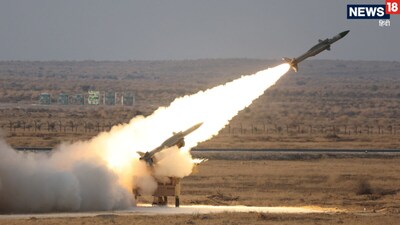
- •Astra Mk-1 offers a strike range of 80 to 110 kilometers, utilizing a single-stage solid-fuel rocket motor for supersonic speed.
- •The advanced Astra Mk-3 Gandiv features Solid Fuel Ducted Ramjet technology, projecting a massive strike range of 300 to 350 kilometers.
- •Very long-range Astra missiles are primarily designed to eliminate high-value enemy assets like AWACS and aerial refueling tankers.
- •The indigenous Astra program significantly reduces costs, costing less than one-third of foreign alternatives while strengthening domestic defense manufacturing.
Key Questions Answered
The Astra Mk-1 missile has an operational strike range of 80 to 110 kilometers under favorable conditions and achieves a supersonic speed of over Mach 4.5 using a single-stage solid-fuel rocket motor. It is equipped with an indigenous active radar seeker and inertial navigation system to precisely engage target aircraft.
The Astra Mk-3 utilizes a Solid Fuel Ducted Ramjet (SFDR) engine, which draws oxygen directly from the atmosphere instead of carrying oxidizers, keeping the missile lightweight and maintaining maximum speed over a projected range of 300 to 350 kilometers.
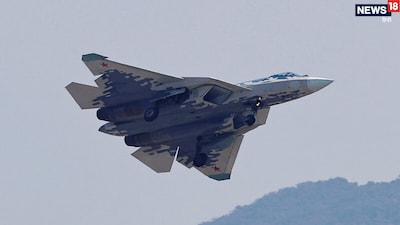
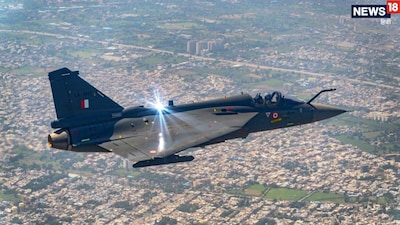
DRDO and Hindustan Aeronautics Limited have successfully integrated the Astra Mk-1 missile with the Sukhoi-30 MKI fighter jet using custom software codes, and have also completed its rapid integration into the indigenous Tejas Mk-1A aircraft.