Stories
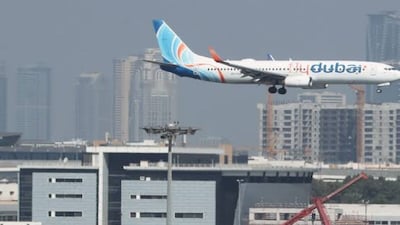
Flydubai 737 MAX Survives Near-Supersonic Dive, Rudder Ripped Off
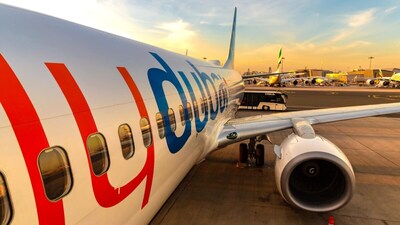
- •A Flydubai Boeing 737 MAX with 180 people onboard endured a near-supersonic dive at 30,000 feet per minute, exceeding its operational limits.
- •Despite the extreme descent, the aircraft landed safely, with pilots worldwide calling its survival a "miracle."
- •Visuals after landing showed the aircraft's rudder, part of the vertical stabilizer, had been ripped off due to the immense forces.
- •The incident highlights the structural integrity of the 737 MAX, especially given its history of two prior crashes involving uncommanded nose-down maneuvers.
- •Military pilots compared the 737 MAX's survival to the rugged C-17 transport aircraft, praising its strength and the piloting skills involved in recovery.
Key Questions Answered
The aircraft went into a steep, near-supersonic dive reaching 30,000 feet per minute, exceeding its maximum operating speed by 100 knots and breaching safe operating parameters. This extreme descent and the massive forces involved caused the rudders attached to the vertical stabiliser to be ripped off.
Pilots on social media described the aircraft's survival as a miracle, noting that it went far beyond the safety factors and structural limits built into commercial airliners. Experts highlighted the incredible strength of the 737 MAX airframe, specialised aluminium alloys, and advanced composites that prevented it from breaking apart.
The survival of the Flydubai plane is notable because the 737 MAX previously faced intense global scrutiny and grounding following two tragic crashes. Those earlier accidents involved sudden, uncommanded nose-down manoeuvres triggered by the MCAS system that caused the aircraft to break apart, whereas the Flydubai airframe remained intact despite its extreme descent.