Stories
Mumbai Faces Silent Water Crisis as Seawater Infiltrates Freshwater Aquifers
M
Moneycontrol•14-10-2026, 19:29
Mumbai Faces Silent Water Crisis as Seawater Infiltrates Freshwater Aquifers
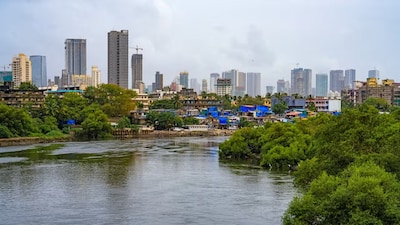
- •A recent study by the Central Ground Water Board warns that nearly 35 per cent of Mumbai is highly vulnerable to seawater intrusion into freshwater aquifers.
- •Saline groundwater with high electrical conductivity has been detected in areas such as Fort, Shivaji Park in Dadar, Mulund East, and Mahim.
- •Excessive groundwater extraction reduces freshwater pressure, allowing seawater to enter underground reserves and potentially render them unusable.
- •The CGWB has recommended constructing groundwater recharge structures, banning extraction in Shivaji Park, and strictly monitoring salinity levels.
- •The Brihanmumbai Municipal Corporation has commissioned a study by the All India Institute of Local Self Government to further assess groundwater salinity across city wells.
Key Questions Answered
Nearly 35 per cent of Mumbai’s area is highly vulnerable to seawater intrusion into freshwater aquifers, as identified by the Central Ground Water Board's 2025 Aquifer Management Plan.
The CGWB report detected saline groundwater and electrical conductivity levels above 10,000 microsiemens per centimetre in areas such as Fort, Shivaji Park in Dadar, Mulund East, and Mahim.
The CGWB recommended creating groundwater recharge structures such as filter-equipped pits, shafts, and percolation ponds in parks and gardens, along with regular monitoring of electrical conductivity in coastal observation wells.