Stories
Mumbai Heatwave: 5 Essential Tips To Keep Your Indoor Plants Thriving
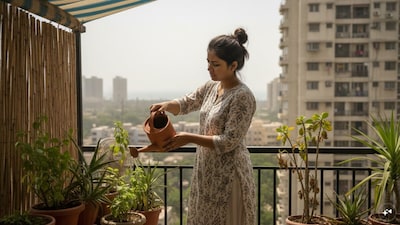
- •Adjust your watering routine by checking the top layer of soil before watering to prevent both dehydration and root rot.
- •Protect sensitive plants from harsh afternoon sunlight by moving them away from exposed windows or using sheer curtains and shade nets.
- •Improve air circulation in rooms and keep plants away from hot appliances, direct air-conditioner vents, and stagnant airflow.
- •Avoid fertilising or repotting stressed plants during extreme heat as it can damage sensitive roots and hinder nutrient absorption.
- •Inspect your houseplants daily for signs of heat stress such as drooping leaves, dry soil, yellowing foliage, and brown tips.
Key Questions Answered
Check the top layer of soil with your finger before watering, and if it feels dry, water the plant thoroughly until excess water drains through the bottom. Always empty any water collected in the saucer to prevent root rot, keeping in mind that watering frequency depends on factors like pot size, soil type, and location.
High temperatures and water stress affect how plants absorb nutrients, meaning that adding extra fertilizer during severe heat can damage their roots. If a plant shows signs of wilting or heat stress, you should focus on providing proper light, moisture, and drainage, and only resume fertilizing once it has fully recovered.
You can move plants sitting near south- or west-facing windows or exposed balconies to spots with bright, indirect light during the hottest part of the day. Sheer curtains can filter strong indoor sunlight, while shade nets can offer additional protection for sensitive plants on balconies.