Stories
World Bank Warns Asia Lacks Buffers to Withstand Prolonged Oil Shock
- •East Asia and Pacific economies risk exhausting their financial firepower due to heavy reliance on subsidies to cushion ongoing energy shocks.
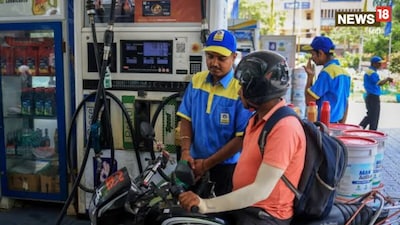
- •The World Bank warns that aggressive government intervention to suppress retail gasoline prices may be unsustainable as Middle East oil exports face delayed recovery.
- •Countries like Indonesia, Thailand, and Vietnam have seen their dollar reserves depleted by 15% to 40% this year while attempting to manage high energy costs.
- •Despite energy pressures, regional growth is projected at 4.5% this year, largely driven by strong investments and exports tied to the artificial intelligence boom.
- •A prolonged energy shock, combined with a potential downturn in the AI cycle and El Niño weather disruptions, could threaten the region's economic resilience.
Key Questions Answered
Governments in East Asia and the Pacific have relied heavily on subsidies and measures to suppress retail gasoline prices following the US-Iran war. The World Bank notes that these actions impose heavy fiscal costs, deplete foreign currency reserves, and delay necessary behavioral adjustments because Middle East oil exports are not expected to recover until mid-2027.
Indonesia, Thailand, and Vietnam were cited by the World Bank for taking active steps to suppress retail gasoline prices, which has depleted their dollar war chests by 15% to 40% this year.
Energy risks are currently being outweighed by strong investment and export growth driven by the artificial-intelligence boom, often referred to as AI tailwinds. This has led the World Bank to forecast 4.5% growth for the region this year, a 0.3 percentage point upward revision.