Stories
Resale Flat Buyer Beware: Unpaid Society Dues Can Become YOUR Problem!
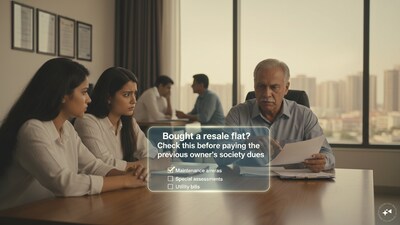
- •Housing societies can demand previous owner's unpaid maintenance from new owners, especially if rules or state laws treat it as a flat liability.
- •Legal positions vary across India; a recent Bombay High Court ruling stated that some past dues could follow the flat under Maharashtra's cooperative society law.
- •Always verify if the society has a legal basis to recover old dues from the current owner, as some liabilities might remain personal to the former owner.
- •Obtain a written statement of all outstanding dues and a No-Objection Certificate (NOC) from the society before completing the purchase to avoid future disputes.
- •Ensure the sale agreement includes clauses for the seller to clear all dues and indemnify the buyer, and check for pending litigation.
Key Questions Answered
Yes, depending on state laws and society rules, unpaid maintenance can sometimes be treated as a liability attached to the flat. For instance, a July 2026 Bombay High Court ruling held that past dues could follow the flat under Maharashtra's cooperative society law. Similarly, Uttar Pradesh law provides for joint liability between the buyer and previous owner for common expenses up to the sale date.
The safest approach is to request a written statement of all outstanding dues, water charges, and penalties from the society before completing the purchase. Buyers should also obtain a no-dues certificate or NOC if required, and include a clause in the sale agreement requiring the seller to clear all past liabilities while indemnifying the buyer.
No, an agreement stating the seller will bear earlier dues does not automatically stop the housing society from making a demand against the new owner if applicable law gives the society a legal right against the flat. While the buyer may still have a legal claim to recover that money from the seller for breach of contract, dealing with the society first can create practical complications.