Stories
EMI Bounced? Here's How to Protect Your Loan and Credit Score

- •A single bounced EMI doesn't immediately damage your CIBIL score or turn a loan into a bad account; problems arise if payment remains overdue and is reported.
- •Expect extra charges like bounce fees and continued interest if an EMI fails; RBI rules mandate disclosure of these penal charges.
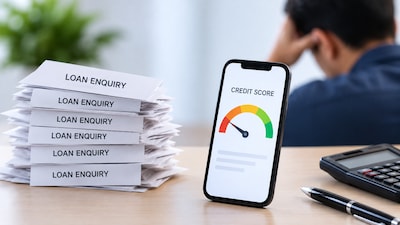
- •Your credit score isn't reduced by a fixed amount; CIBIL uses 'Days Past Due' (DPD) to reflect payment delays, with quicker payments minimizing impact.
- •The longer an EMI remains unpaid, the more serious it becomes, potentially moving through Special Mention Account (SMA) categories before becoming an NPA after 90 days.
- •If an EMI bounces, immediately identify the cause, arrange funds, and make the payment, keeping records; then verify your loan account and credit report.
Key Questions Answered
No, a single bounced EMI does not automatically turn a loan into a bad account or wipe out a fixed number of points from your CIBIL score. The actual score impact depends on how the missed payment appears in your report using Days Past Due (DPD) and whether it remains unpaid.
When an auto-debit fails, you may incur bounce or return charges alongside the overdue EMI, depending on your lender and loan agreement. Interest may also continue accumulating until the balance is fully paid, and RBI rules mandate that lenders must clearly disclose these penal charges.
RBI rules generally classify a term loan as a Non-Performing Asset (NPA) when the principal or interest payment stays overdue for more than 90 days. Before reaching the NPA stage, accounts progress through Special Mention Account categories such as SMA-0, SMA-1, and SMA-2 based on the duration of the delay