Stories
Dealer Car Insurance: Convenience or Overstated? Experts Reveal What You Need to Know
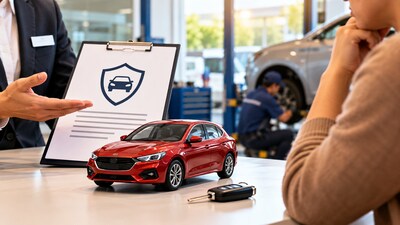
- •Dealer-provided insurance offers real, but often overstated, convenience, primarily in paperwork support during repairs.
- •Cashless repair depends on the workshop being in the insurer's network, not where the policy was purchased; most leading insurers have tie-ups with authorized dealer workshops.
- •Buyers should compare more than just the premium, focusing on Insured Declared Value (IDV), own-damage premium, discounts, and add-ons.
- •Key add-ons for new cars include zero depreciation, engine protection (for waterlogging-prone areas), return to invoice, consumables cover, and roadside assistance.
- •Avoid common mistakes like accepting bundled policies without comparison, lowering IDV, not declaring accessories, and errors in policy details; compare policies before delivery.
Key Questions Answered
The convenience provided by dealers is often overstated. Their main benefit is assistance with paperwork during repairs, but cashless repairs depend on whether the workshop is in the insurer's network rather than where the policy was bought.
Buyers should compare the Insured Declared Value (IDV), own-damage premium, available discounts, and add-ons rather than just looking at the final price. It is also important to check the insurer's claim settlement track record and cashless garage network.
Zero depreciation is the most valuable add-on to avoid high repair deductions for parts like plastic and rubber. Engine protection is crucial for waterlogged cities, and return to invoice covers the gap between IDV and on-road price in total loss cases.