Stories
Anti-Rust Coating for New Cars: Essential or Waste? Know When to Get It Done.
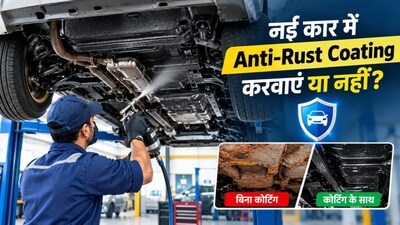
- •Anti-rust coating is a protective layer applied to a car's underbody, wheel arches, and chassis, available in rubberized, wax, oil-based, or polyurethane types.
- •In coastal cities (Mumbai, Chennai, Goa), salty air accelerates rust; waterlogging during monsoon and mud-stones on rural roads also cause damage, making this coating beneficial.
- •It provides protection against rust, keeping the chassis, brake lines, and suspension strong, reduces road noise, saves repair costs, and improves resale value.
- •Poor application can trap moisture inside and accelerate rust; never apply coating over existing rust.
- •Only get this done by a professional workshop on a clean, dry, and rust-free surface; pressure washing and degreasing are essential.
Key Questions Answered
Modern cars come with factory protection like galvanized steel and e-coating that typically lasts for 8 to 12 years, or 5 to 10 years. For a new car in dry regions or mild weather, additional anti-rust coating can often be an unnecessary expense.
Anti-rust coating is beneficial in coastal cities like Mumbai, Chennai, or Goa where salty air accelerates rust. It is also useful in areas with heavy rainfall and waterlogging, for cars older than 5 years, or if you plan to keep the vehicle for a long time.
If applied improperly or over existing rust, an anti-rust coating can trap moisture inside and actually accelerate rust formation. Additionally, it can range from ₹2,500 to ₹4,000 for hatchbacks and ₹4,500 to ₹9,000 for SUVs, making it an unnecessary expense in dry areas.