Stories
WHO Guidelines Focus on Food Environments As India Considers School Junk Food Bans
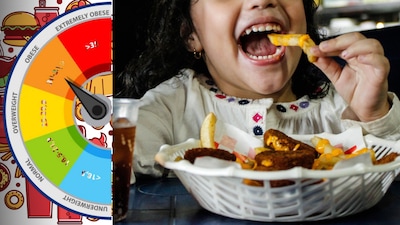
- •The World Health Organization released its first global guidelines on managing obesity in children and adolescents, emphasizing supportive food environments and lifestyle measures over medication.
- •WHO estimates that 170 million children and adolescents aged 5 to 19 were living with obesity in 2024, with prevalence quadrupling since 1990 from 2 percent to 8 percent.
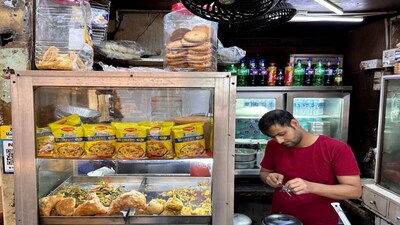
- •India is currently considering restricting the sale of foods high in fat, salt, and sugar within 50 metres of schools, a step already implemented strictly in Maharashtra.
- •Experts note that while school bans reduce immediate exposure, tackling childhood obesity requires a broader strategy including home environments, advertising regulation, and affordable healthy alternatives.
Key Questions Answered
The World Health Organization issued its first global guidelines focusing on supportive food environments and lifestyle measures rather than medication for younger groups, recommending structured dietary, physical activity, and behaviour-changing interventions for children and adolescents with obesity.
India is advancing regulations through the Food Safety and Standards Authority of India to restrict the sale of foods high in fat, salt, and sugar within a 50-metre radius of schools. Maharashtra has already implemented stricter rules prohibiting the sale, free distribution, and advertising of such processed items within schools and the 50-metre radius.
According to the World Obesity Atlas 2026, India ranks second globally after China for the number of children who are overweight or living with obesity, with estimates showing roughly 41 million Indian children had a high body mass index in 2025.