Stories
Harsh Goenka warns Tata boardroom dispute is sparking corporate governance anxiety
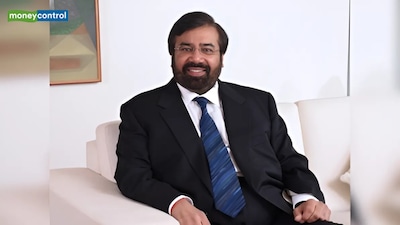
- •Industrialist Harsh Goenka warned that the Tata Sons boardroom dispute is causing anxiety among India family-run businesses regarding independent directors.
- •A major business group has reportedly asked its legal team to examine board compositions and whether there are too many independent directors.
- •Goenka criticized this trend on social media, emphasizing the need for stronger governance and more independent voices rather than fewer.
- •The controversy follows the Tata Sons board reappointing chairman N Chandrasekaran despite opposition from controlling shareholder Tata Trusts.
- •Experts warn that reducing independent directors to align with promoter preferences could ultimately weaken corporate governance standards.
Key Questions Answered
Industrialist Harsh Goenka expressed concern that the Tata boardroom dispute has triggered anxiety among Indian family-run businesses regarding whether they have too many independent directors, prompting at least one large group to review its board composition. He warned that reducing independent voices to align more with promoter preferences is a problematic trend that could weaken corporate governance.
The boardroom dispute was triggered when the Tata Sons board reappointed chairman N Chandrasekaran despite opposition from Noel Tata, the chairman of Tata Trusts which holds a 66% stake in the holding company. The September 17 board meeting also brought tensions to the surface over a potential stock market listing and the balance between ownership and control.
In listed companies, independent directors bring an external perspective, scrutinize management decisions, safeguard shareholder interests, and fulfill mandatory regulatory requirements for board representation. They also hold significant responsibilities on committees that oversee financial reporting, related-party transactions, and executive remuneration.