Stories
Blackouts and Coal Crunch Cripple Indian Factories and Economy

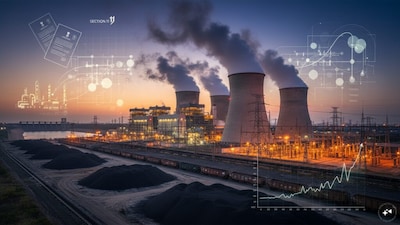
- •Indian factories, smelters, and households are experiencing severe blackouts and soaring energy costs due to rapidly plunging coal stockpiles at power stations.
- •A weak monsoon and extreme weather have driven up electricity demand for air conditioning and irrigation while curbing hydropower output.
- •Small steel mills and industrial plants in states like Chhattisgarh and Punjab face daily outages lasting up to twelve hours, forcing production cuts.
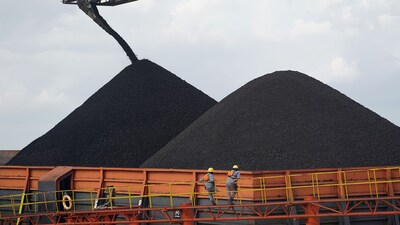
- •Coal India Ltd has prioritized deliveries to grid-connected generators, leaving major industrial customers struggling to secure adequate fuel for their own electricity generation.
- •The national electricity grid faced an average shortfall of nearly four gigawatts a day in early October, while spot coal prices and power bills surged across multiple states.
Key Questions Answered
The weakest monsoon since 2015 curbed hydropower generation, while hotter-than-normal weather driven by a record El Niño boosted demand for air conditioning and farm irrigation. These conditions caused coal-fired power stations to rapidly burn through their fuel inventories, leading to widespread grid shortages and factory power cuts.
Small steel mills in Chhattisgarh are facing daily outages lasting 10 to 12 hours, forcing them to reduce output and risk material solidifying in furnaces. Meanwhile, large industrial users that generate their own power face fuel shortages because Coal India prioritizes deliveries to grid-connected generators, forcing these companies to pay high prices at auctions.
A late burst of monsoon rainfall last month in the eastern coal-mining regions exacerbated the supply shortages by crimping coal production and hampering rail transport of the fuel. This transport bottleneck left almost half of India's coal-fired plants with feedstock supplies below a quarter of required levels by October 10.