Stories
US, China and EU Take Divergent Paths in Global Artificial Intelligence Regulation

- •The United States relies heavily on voluntary industry pledges, executive orders, and a focus on preventing bureaucratic delays to sustain its AI economic boom.
- •China has implemented a complex set of regulations governing AI usage, companion bots, and content censorship while warning against hostile forces using generative AI.
- •The European Union adopted the comprehensive AI Act in 2024 but granted delays for high-risk system rules after concerns from local companies about stifling innovation.
Key Questions Answered
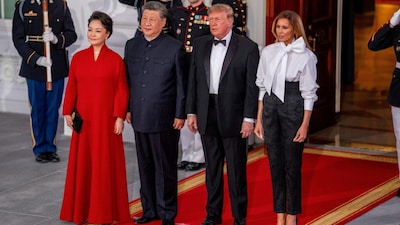
President Donald Trump has built US AI policy largely around voluntary industry pledges and executive orders designed to sustain an AI boom. On his first day back in office, he scrapped his predecessor's 2023 order requiring safety test disclosures, and his administration has favored a light-touch approach that avoids blanket federal AI legislation.
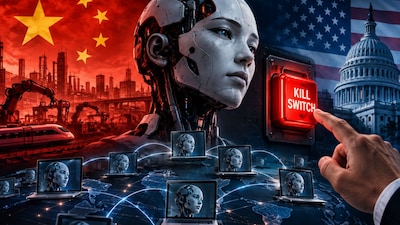
China has established a complex set of rules, including regulations on AI companion bots that took effect in July to curb emotional dependency and ban unauthorized digital clones. While leaders like President Xi Jinping call for AI to remain under human control, officials have also warned that hostile forces are exploiting generative AI to spread political rumors and endanger national security.
The European Union adopted its AI Act in 2024 as comprehensive legislation to govern artificial intelligence, though European companies later secured a delay on rules covering high-risk systems to stay competitive. The EU also subjects major chatbots like ChatGPT to enhanced legal scrutiny under its digital service rules and has proposed mandating safety protections for children.