Stories
Broadcasters Push for Key Changes in Telecom Rules 2026
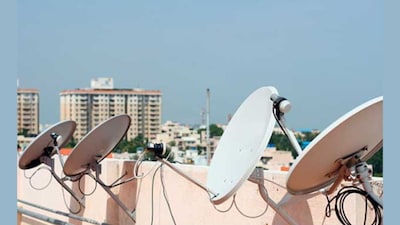
- •Broadcasters have urged the Ministry of Information and Broadcasting to include provisions ensuring they retain strict control over the conversion of HD channels into SD feeds by cable and DTH operators.
- •Industry submissions emphasize that satellite television broadcasting spectrum must be legally distinguished from terrestrial telecom spectrum to avoid regulatory uncertainty.
- •Concerns have been raised regarding proposed rules that could link adjudicated content violations of the Programme and Advertising Code to the renewal of broadcasting licences.
- •Associations are seeking greater clarity on how the framework applies to internet-delivered services like OTT and FAST, alongside addressing practical challenges in public service broadcasting mandates.
Key Questions Answered
Broadcasters want to retain control over HD-to-SD channel conversion, asking that it occur only with explicit written authorization using their equipment and an RIO-based agreement. They are concerned about picture quality, commercial control, and revenue leakage from DPOs under-reporting subscribers.
Broadcasters argue that satellite TV broadcasting spectrum must be clearly distinguished from exclusive or auction-based terrestrial telecom spectrum. Because satellite spectrum is internationally coordinated and shared non-exclusively, they warn that improper grouping could create regulatory uncertainty for investments and capacity planning.
Broadcasters are questioning a provision that could jeopardize their authorisation renewals after five adjudicated breaches of the Programme and Advertising Code. They are pushing against automatically linking content-findings to operating permissions and are seeking clearer separation of content regulation from telecom rules alongside proportionate penalties.