Stories
Understanding AT-1 Bonds and the Yes Bank Crisis

- •AT-1 bonds are high-yield, perpetual instruments issued by banks to raise regulatory capital and absorb losses during severe financial distress.
- •Unlike normal bonds, AT-1 bonds have no fixed maturity date, and banks possess the discretion to cancel annual coupon payments under specific rules.
- •Investors face the extreme risk of losing their entire principal if the bonds are written down to zero or converted into equity shares during a crisis.
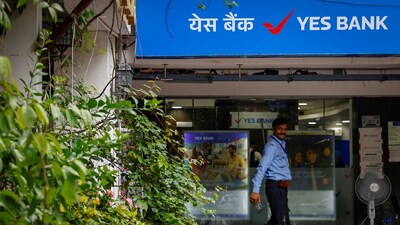
- •The Supreme Court set aside the ₹8,415 crore AT-1 bond write-off from Yes Bank's March 2020 reconstruction, restoring focus on these complex financial instruments.
Key Questions Answered
AT-1 stands for Additional Tier 1, which are special perpetual bonds issued by banks to raise capital and meet regulatory requirements. Unlike ordinary bonds, they have no fixed maturity date and are specifically designed to absorb losses when a bank faces serious financial distress, meaning investors can lose their entire principal or have their bonds converted into shares.
The Supreme Court upheld the Bombay High Court's decision to set aside the ₹8,415 crore AT-1 bond write-off that occurred during Yes Bank's reconstruction in March 2020. Additionally, the court clarified that annual coupon payments must remain unaffected by the appeal outcomes and must follow the bonds' Information Memoranda.
AT-1 bondholders are unsecured and subordinated, meaning their claims rank below those of depositors and ordinary creditors. However, they generally rank ahead of equity shareholders in the contractual hierarchy under the applicable resolution framework.