Stories
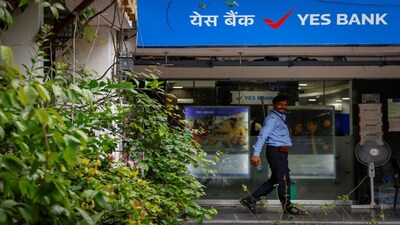
Supreme Court Rules Yes Bank AT-1 Bonds Are Debt Sparking Repayment Questions
C
CNBC TV18•16-10-2026, 14:44
Supreme Court Rules Yes Bank AT-1 Bonds Are Debt Sparking Repayment Questions
- •The Supreme Court upheld the Bombay High Court ruling, clarifying that Yes Bank AT-1 bonds are debt securities and cannot be permanently written off.
- •Expert Ashvin Parekh notes the verdict reinforces investor rights to receive coupon payments and principal restoration, though implementation details remain.
- •Mutual funds, banks, NBFCs, and institutional investors holding the bonds stand to benefit significantly once the detailed order is examined.
- •Banks that previously wrote off these investments will need to reassess their accounting treatments.
- •Practical challenges include determining how to distribute restored funds to investors who held mutual fund units when the bonds were written down in 2020.
Key Questions Answered
The Supreme Court upheld the Bombay High Court's ruling, clarifying that Yes Bank's Additional Tier-1 bonds are debt securities and cannot be permanently written off like equity instruments.
Mutual funds, banks, non-banking financial companies, private equity funds, institutions, and some retail investors who held the bonds stand to benefit, with mutual funds among the largest holders.
Challenges include determining how to repay the principal and whether six years of unpaid interest will be paid in one lump sum or phased, alongside tracking past mutual fund investors from the 2020 writedown.