Stories
Luxury Fashion's Real Estate Bet: Sabyasachi, Péro, and Abu Jani Sandeep Khosla Redefine Retail
- •Indian luxury fashion houses like Abu Jani Sandeep Khosla, Sabyasachi, Péro, and EKÁ are investing heavily in physical retail spaces, challenging the digital-first instinct.
- •Flagship stores are evolving from mere sales outlets into brand-building assets, focusing on creating scarcity, theatre, and emotional connections that e-commerce cannot replicate.
- •Sabyasachi Mukherjee's 26,000-square-foot Delhi flagship is designed as an immersive experience, blending fashion with art, antiquities, and craftsmanship to reinforce brand equity and support premium pricing.
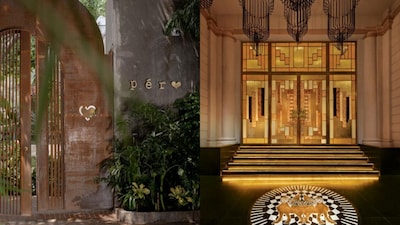
- •Péro's founder Aneeth Arora opened 'pérodise' after 17 years, viewing it as a natural progression to control the product environment, showcase archives, and foster cultural exchange, rather than a response to market pressures.
- •Physical stores for luxury brands are becoming investments in brand equity, customer experience, and cultural capital, creating sensory immersion and perceived value that justify expensive real estate.
Key Questions Answered
Luxury fashion houses are investing in physical flagships to create scarcity, theatrical immersion, and emotional connections that websites cannot replicate. These brick-and-mortar spaces act as brand-building assets that reinforce heritage, control the customer experience, and support premium pricing power.
Péro's founder Aneeth Arora created Pérodise not as a conventional boutique or a response to slow demand, but as an immersive extension of the label. Designed for cultural exchange, the space features natural materials reflecting its craft traditions and includes movable rails to transform into a gallery or host talks.
According to Anuj Kejriwal of ANAROCK Group, prime retail space in Mumbai's Kala Ghoda commands around ₹1,000 to ₹1,200 per sq ft per month as of Q2 2026. In comparison, Delhi's Meherchand Market sits lower at approximately ₹400 to ₹600 per sq ft per month.