Stories
Rise of AI Influencers in India Sparks Debates on Identity and Consent
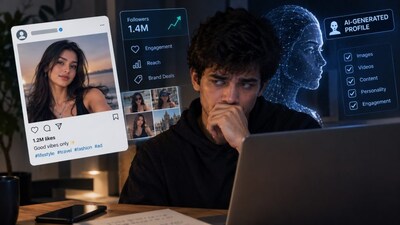
- •AI-generated influencers like India's virtual character Kyra are increasingly participating in the creator economy through brand collaborations and digital content.
- •While creators maintain complete control over virtual personalities, measuring the true commercial impact and market size remains difficult due to unverified earnings and engagement metrics.
- •Serious risks regarding consent and identity theft have emerged, highlighted by police arresting an Assam engineer for allegedly using private photos of an ex-partner to create a viral AI account.
- •Social media platforms like Instagram have updated their disclosure rules, renaming labels to AI-generated profile and restricting the reach of accounts that fail to properly identify synthetic content.
- •India has amended its Information Technology Rules to introduce strict disclosure and identification requirements for realistically generated synthetic audio, images, and video.
Key Questions Answered
Instagram updated its policy on August 31, 2026, by renaming its “AI creator” label to “AI-generated profile” and requiring accounts featuring AI-generated people to be properly labelled. Profiles failing to add this label face restricted reach, while creators proactively using it are not penalized solely for utilizing AI characters.
India amended its Information Technology Rules, which were notified on February 10, 2026, and took effect on February 20, 2026. These updated rules target realistic synthetic audio, images, and videos that can be perceived as authentic, establishing specific disclosure and identification requirements.
The cost of developing a brand-ready AI virtual influencer in India dropped significantly from about ₹3.6 crore in 2022 to nearly ₹26 lakh by 2026, making them commercially viable for marketing budgets.