Stories
Yamuna Vegetables Pose Cancer Risk: Delhi Study Reveals Heavy Metal Contamination
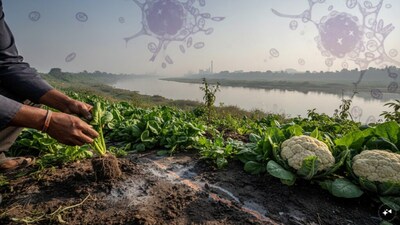
- •A new University of Delhi study found heavy metal contamination in vegetables grown along the Yamuna floodplains, irrigated with untreated wastewater.
- •The research, published in Energy Nexus, identified both non-carcinogenic and carcinogenic health risks from consuming contaminated produce.
- •Specific vegetables showed high levels of metals: onions and spinach had high nickel; white radish, spinach, and mustard had elevated chromium; red radish contained molybdenum and chromium; fenugreek accumulated zinc; coriander had nickel and cadmium; and mustard showed lead.
- •The study linked unacceptable cancer risks primarily to nickel and chromium accumulation, with red radish, coriander, spinach, and white radish showing the highest total carcinogenic risk values.
- •Researchers recommend regular checks of agricultural soil and vegetables, safer irrigation methods, stricter pollution controls, and growing crops that absorb fewer heavy metals in contamination hotspots.
Key Questions Answered
Researchers found molybdenum, aluminium, zinc, nickel, chromium, cadmium, and lead in the soil and vegetables. Specifically, onions and spinach had high nickel, white radish, spinach, and mustard recorded elevated chromium, red radish showed high molybdenum and chromium, and coriander contained nickel and cadmium.
The study identified both non-carcinogenic and carcinogenic health risks from consuming these vegetables. The Hazard Index for combined non-cancer risks exceeded the safe threshold mainly due to molybdenum exposure, while unacceptable cancer risks were linked to nickel and chromium accumulation.
Researchers recommended regular checks of agricultural soil and vegetables, safer irrigation methods, and stricter pollution-control measures. Farmers in hotspots were advised to grow crops that absorb lower amounts of heavy metals, alongside continuous government monitoring and stronger enforcement of pollution sources.