Stories
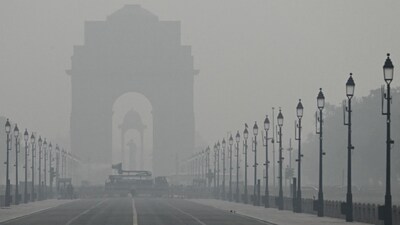
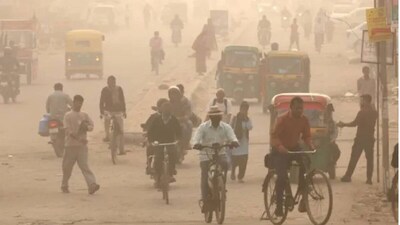
Rising Air Pollution Poses Severe Threat To Heart Health Across Indian Cities

- •Doctors warn that air pollution affects more than just the respiratory system, posing significant risks to the heart and blood vessels.
- •Fine particulate matter like PM2.5 can penetrate deep into the lungs, enter the bloodstream, and cause inflammation, oxidative stress, and blood vessel damage.
- •Both short-term exposure to high AQI and long-term exposure can increase the risk of heart attacks, strokes, and clogged arteries.
- •Vulnerable groups include older adults and people with pre-existing conditions like high blood pressure and diabetes, though healthy individuals are also at risk.
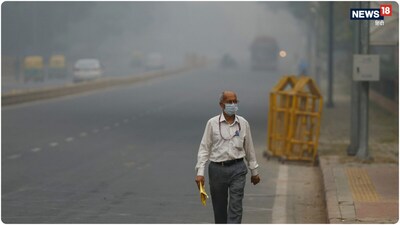
- •Experts recommend monitoring AQI levels, limiting strenuous outdoor activities, using air purifiers, and wearing N95 masks during high pollution days.
Key Questions Answered
Fine particulate matter such as PM2.5 can penetrate deep into the lungs and enter the bloodstream, triggering inflammation and oxidative stress. This damages blood vessels, promotes plaque buildup in the arteries, and increases the risk of high blood pressure, heart attacks, and strokes.
Yes, even a brief period of high pollution can increase the risk of heart-related complications. These short-term effects are particularly concerning for older adults and individuals with pre-existing conditions like diabetes or high blood pressure.
Doctors recommend monitoring local AQI readings, limiting strenuous outdoor activities, and opting for indoor exercises. Additional precautions include keeping windows closed, using an appropriate air purifier, avoiding smoke exposure, and wearing a well-fitted N95 mask outdoors.