Stories
Heart Health in Your 30s & 40s: Warning Signs, Tests, and Doctor's Advice
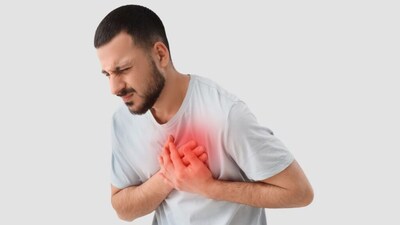
- •Heart disease can manifest in your 30s and 40s with subtle symptoms like chest heaviness, breathlessness, or unusual fatigue, often mistaken for acidity or stress.
- •Common forms of heart disease vary by age; rheumatic heart disease is seen in younger individuals, while coronary artery disease is prevalent in adults over 35-40.
- •Early warning signs include chest discomfort during activity, reduced exercise tolerance, and breathlessness while lying down, which should prompt medical evaluation.
- •If you suspect a heart attack, seek immediate medical help; do not delay by calling family or waiting for a family doctor.
- •Factors like changing food habits, high-stress jobs, lack of sleep, smoking, and rising rates of diabetes and hypertension contribute to heart disease in younger people.
Key Questions Answered
Early signs of heart disease can include chest discomfort, tightness, or heaviness during physical activity, as well as unusual breathlessness or fatigue that might be mistakenly dismissed as acidity or stress. Symptoms can also occur at night when lying down and may spread to the jaw, shoulders, or arms.
Yes, a normal first ECG does not rule out a heart problem if symptoms are present. Doctors evaluate the patient's symptoms and medical history alongside the ECG, and may repeat tests or check blood enzymes if high suspicion remains.
Baseline investigations can be considered starting around the ages of 25 to 30 because conditions like diabetes and hypertension can develop without obvious symptoms, though advanced imaging tests like CT angiography are not meant for routine screening for everyone.