Stories
Delhi's Toxic Air Threatens Young Hearts: Doctors Warn of Alarming Risks

- •Doctors warn that Delhi's polluted air, particularly PM2.5 exposure, combined with poor sleep, stress, and inactivity, poses a significant risk to young adults' cardiovascular health.
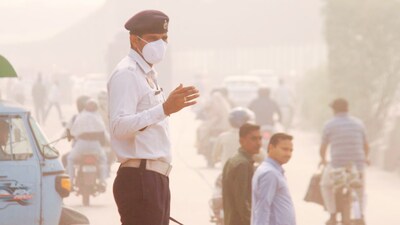
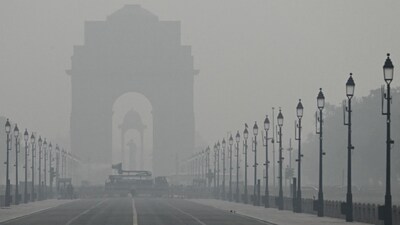
- •A University of Delhi study found winter PM2.5 concentrations in the capital were nearly seven times the national standard and 18 times WHO guidelines, with 98% of readings exceeding national standards.
- •The study projected a 1.65-fold increase in cardiopulmonary mortality risk under prevailing annual exposure conditions, emphasizing that fine particles promote vascular inflammation and oxidative stress.
- •Young adults are particularly vulnerable due to higher respiratory rates and ongoing physiological development, with exposure potentially leading to cardiovascular diseases that become clinically visible years later.
- •Experts advise young people to exercise intelligently, prioritize 7-9 hours of sleep, monitor health parameters, and reduce exposure during severe pollution, cautioning against sudden strenuous workouts.
Key Questions Answered
A study by researchers from Hindu College and Zakir Hussain College found that Delhi's average winter PM2.5 concentration was 269.35 micrograms per cubic metre, which is nearly seven times the national standard and about 18 times the WHO guideline. Nearly 98 percent of the readings exceeded the national standard, with levels crossing 700 micrograms per cubic metre in late December.
Doctors warn that prolonged exposure to fine particulate matter can promote vascular inflammation, oxidative stress, and endothelial dysfunction. Combined with factors like poor sleep, chronic stress, and physical inactivity, these elements can compound conventional risks and increase cardiovascular vulnerability.
Doctors advise young adults to exercise intelligently by engaging in regular, moderate, and appropriately progressed workouts rather than suddenly pushing an untrained body into high-intensity regimens or marathons. Exercise should be tailored to individual conditioning, and people should watch for warning signs like chest discomfort, breathlessness, or dizziness.