Stories
Navratri Fasting Rules 2026: Essential Guide On What To Eat And Avoid During Vrat
N
News18•07-10-2026, 11:00
Navratri Fasting Rules 2026: Essential Guide On What To Eat And Avoid During Vrat
- •Navratri 2026 will be celebrated from October 11 to October 19, with devotees observing fasts according to regional and family traditions.
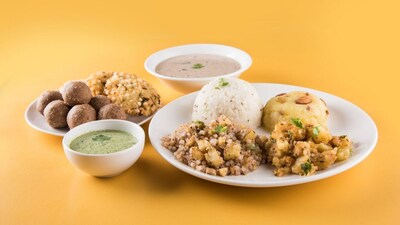
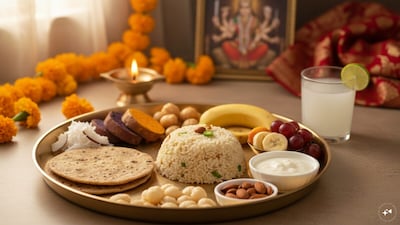
- •Permitted vrat-friendly grains and flours include kuttu, singhara, rajgira, samak rice, and sabudana as alternatives to wheat and rice.
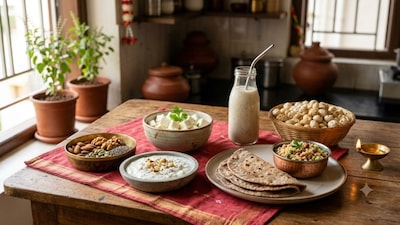
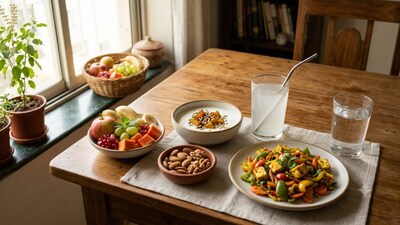
- •Commonly consumed foods include fresh fruits, specific vegetables like potatoes and pumpkin, dairy products, nuts, and rock salt or sendha namak.
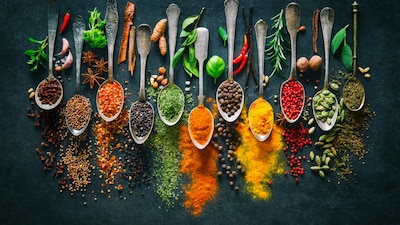
- •Regular cereals, pulses, table salt, onion, garlic, meat, eggs, and certain spices are typically avoided during the fasting period.
- •Health experts advise staying hydrated, avoiding excessive fried items, and consulting a doctor if pregnant, elderly, or managing medical conditions.
Key Questions Answered
Devotees observing a Navratri vrat commonly replace regular wheat and rice with vrat-friendly alternatives such as kuttu (buckwheat flour), singhara (water chestnut flour), rajgira (amaranth), samak rice (barnyard millet), and sabudana (tapioca pearls).
Traditional Navratri fasting rules typically exclude regular cereals and flours like wheat, maida, and white rice, along with pulses, legumes, onion, garlic, regular table salt, and non-vegetarian foods including meat, fish, and eggs.
Fasting may not be suitable for pregnant or breastfeeding women, children, older adults, individuals with diabetes or other medical conditions, and anyone taking medications that require food.