Stories
Running in Old Shoes? Here Is What Modern Foam Actually Changes
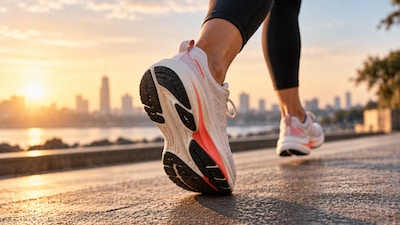
- •Running shoes typically last between 300 to 500 miles, but mileage, terrain, and storage affect lifespan just as much as time.
- •The midsole foam degrades over time, reducing cushioning and responsiveness even if the upper part of the shoe still looks great.
- •Modern foam technologies like PEBA and eTPU offer improved energy return, better bounce, and a more comfortable landing.
- •Upgrading to newer shoes can change stability and the overall feel of your stride, though it does not replace proper training or prevent injuries.
- •Premium models like the Nike Alphafly 3, ASICS SUPERBLAST 3, and adidas Adizero Adios Pro 4 cater to different running needs.
Key Questions Answered
Many running shoes are generally replaced after approximately 300 to 500 miles, which translates to about 480 to 800 kilometres, though wear times can vary depending on usage and terrain. Another source suggests replacing shoes after 500 to 700 kilometres of use.
Signs that a shoe needs assessment include deep creases, uneven compression, a visibly altered shape in the midsole, or a noticeable decrease in comfort and support. Additionally, old foam loses its shock absorbency, which can lead to increased stress on joints and muscles.
The Nike Alphafly 3 combines ZoomX foam, a carbon-fibre Flyplate, and forefoot Air Zoom units. It is specifically engineered for road racing and longer-distance events rather than acting as an all-purpose daily trainer.