Stories
Are Backless Blouses At Garba Nights Really Against Indian Tradition?
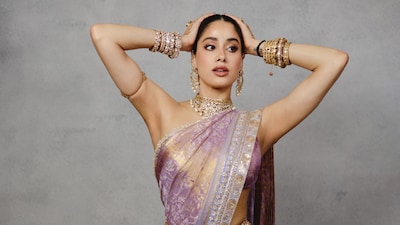
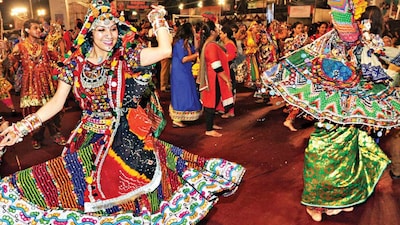
- •Navratri festive fashion has sparked debates over modern backless and sleeveless blouses at Garba nights.
- •Historical evidence shows that ancient Indian women wore minimal upper-body coverings like the stanapatta and uttariya, challenging fixed ideas of tradition.
- •During the colonial era, European standards of modesty and influences from figures like Jnanadanandini Devi helped shape the modern blouse and petticoat combination.
- •Bollywood cinema and social media have transformed the blouse into a major fashion statement, moving far beyond its origins as a basic supporting garment.
- •Clothing traditions in India have always been regional, fluid, and constantly evolving, proving that modern cuts do not violate authentic historical practices.
Key Questions Answered
Before tailored blouses became standard, historical references note garments like the stanapatta, a fabric band covering the breasts, and the uttariya, a cloth draped over the upper body. Women also wore the antariya around the lower body, and early historic sculptures frequently depict female figures with bare upper bodies.
The colonial era introduced social settings where European notions of respectability influenced public attire. Figures like Jnanadanandini Devi popularized new sari-draping styles alongside blouses and jackets influenced by European features such as high collars, puffed sleeves, and lace.
Bollywood and cinema helped transform the blouse into a major style statement by showcasing unique silhouettes and costumes that audiences later adapted for weddings and festivals long before the era of social media.