Stories
Airplane Mode: Why Airlines Insist on It & What Happens If You Don't Use It
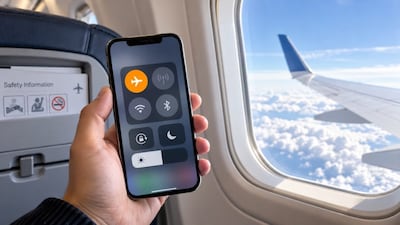
- •Airlines require airplane mode to reduce potential signal interference with sensitive aircraft communication and navigation systems, especially during critical phases like take-off and landing.
- •Keeping phones active during flight can strain ground mobile networks as devices repeatedly search for multiple cell towers across wide areas, leading to excess signaling traffic.
- •Enabling airplane mode is a regulatory and safety compliance measure set by aviation authorities like FAA and DGCA, ensuring standardized safety procedures globally.
- •Passengers are asked to use airplane mode to minimize distractions during critical flight phases (take-off and landing), ensuring attention to safety instructions and crew communication.
- •While a phone won't crash a plane, not using airplane mode drains battery, and a large number of active devices could contribute to background radio interference; non-compliance can lead to warnings or penalties.
Key Questions Answered
Airlines mandate airplane mode primarily as a precautionary measure to reduce potential radio frequency signal interference with sensitive cockpit communication and navigation systems. It also prevents ground mobile networks from being overloaded by a smartphone trying to connect to multiple cell towers simultaneously while traveling at high altitudes.
No credible evidence shows that a smartphone alone can bring down a plane. Modern aircraft are heavily shielded against electromagnetic interference and rigorously tested for safety, meaning the rule is a precaution rather than a response to a proven danger.
If airplane mode is left disabled, your phone continuously scans for signals and attempts to connect to ground mobile towers, leading to increased battery drain and background activity. In rare cases, active devices can generate background radio interference, and ignoring cabin crew instructions can result in warnings or compliance penalties.