Stories
IndiGo Expands Market Share While Facing Mumbai Airport Standoff
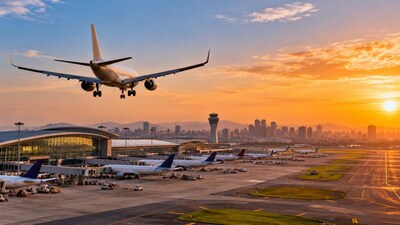
- •IndiGo operator InterGlobe Aviation could see improved profitability from higher airfares and market share gains offsetting rising fuel costs and a weaker rupee.
- •Airlines are increasing fuel surcharges on domestic and international routes to cope with surging jet fuel prices, pushing airfares higher.
- •Industry experts suggest state governments should lower VAT on aviation turbine fuel and expand the use of the extended credit scheme to provide relief.
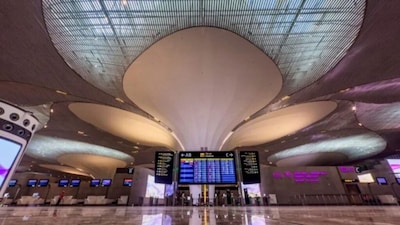
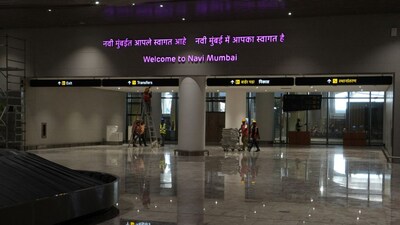
- •A major standoff persists between Adani-led airport operators and global airlines regarding the proposed shift of flights to Navi Mumbai International Airport.
- •Airlines fear losing valuable slots if they relocate, though Navi Mumbai has agreed to waive landing charges until the old terminal opens.
Key Questions Answered
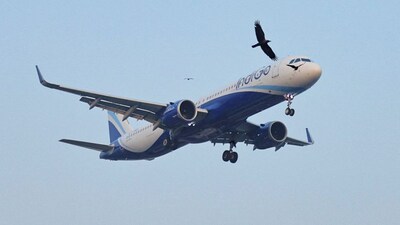
IndiGo and other carriers have implemented higher fuel surcharges on domestic and international routes to counter rising jet fuel prices. This adjustment comes as airlines face multiple industry pressures, including a roughly 30% increase in fuel costs and a 7% weaker rupee, even though airfares are up 15% to 18% compared to last year.
A standoff persists between MIAL, NMIAL, and major global airlines regarding a proposed shift of approximately 33% of flights to Navi Mumbai International Airport. Airlines, supported by the International Air Transport Association, have pushed back and requested records of consultations dating back to 2020.
Vasudevan S of ICF Consulting suggested that state governments like Maharashtra and Delhi should extend their 7% VAT cut on aviation turbine fuel for at least another quarter. Additionally, he recommended broader utilization of the ₹5,000 crore extended credit scheme, which has only seen about 20% to 25% usage so far, to help carriers.