Stories
Unveiling the Mystery: The True Story Behind Gandhi's Portrait on Indian Currency
N
News18•02-10-2026, 18:01
Unveiling the Mystery: The True Story Behind Gandhi's Portrait on Indian Currency
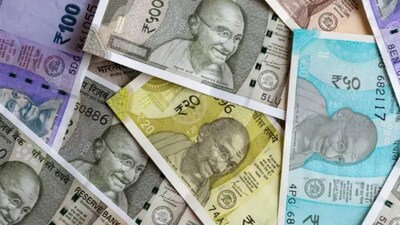
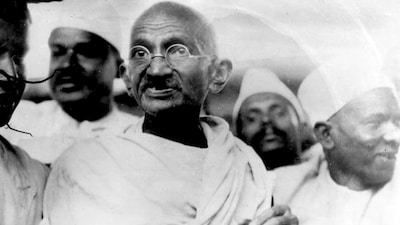
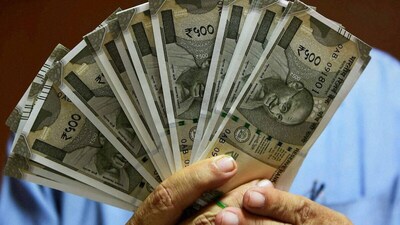
- •The iconic Mahatma Gandhi portrait on Indian currency is a cropped, mirrored section of an authentic 1946 photograph, not an artistic drawing or official state portrait.
- •The original photograph was taken outside Viceregal House (now Rashtrapati Bhavan) in Delhi during political negotiations between Gandhi and Lord Frederick William Pethick-Lawrence.
- •The identity of the photographer remains disputed, though many attribute it to an unknown press photographer for the British colonial administration.
- •The Reserve Bank of India (RBI) cropped Lord Pethick-Lawrence out and horizontally flipped the image, so Gandhi now faces left on banknotes.
- •The RBI made Gandhi's portrait permanent in 1996 as part of the "Mahatma Gandhi Series" to combat counterfeiting, as human faces are harder to forge accurately, and his image carried unmatched national consensus.
Key Questions Answered
The original photograph was captured in 1946 outside Viceregal House, which is now known as Rashtrapati Bhavan, in Delhi during crucial political negotiations.
British diplomat Lord Frederick William Pethick-Lawrence was originally standing next to Mahatma Gandhi in the full-length frame before security designers cropped him out of the currency design.
Amid rising counterfeiting threats from advanced color copiers and digital printing, the RBI chose Gandhi because human faces are harder to forge and his visage carried unmatched national consensus.