Stories
Gandhi's Portrait: The 50-Year Journey to Becoming the Face of the Indian Rupee

N
News18•02-10-2026, 13:16
Gandhi's Portrait: The 50-Year Journey to Becoming the Face of the Indian Rupee
- •Mahatma Gandhi's portrait, now synonymous with the Indian rupee, was not featured on independent India's first banknotes.
- •Initially, the Lion Capital of Ashoka at Sarnath was chosen for the Re 1 note in 1949, replacing colonial imagery.
- •For decades, Indian banknotes showcased diverse themes like wildlife, art, agriculture, and scientific progress, not a single individual.
- •Gandhi first appeared on a commemorative series in 1969 for his birth centenary, but it wasn't until 1987 that his portrait was used on a regular high-value Rs 500 note.
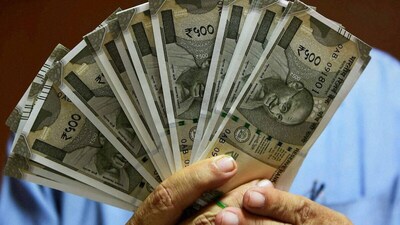
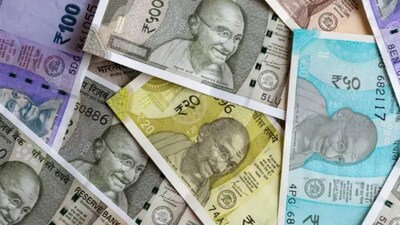
- •The 1996 Mahatma Gandhi Series, introduced for enhanced security features, made Gandhi's portrait the common and prominent feature across all denominations, establishing his enduring visual identity on the rupee.
Key Questions Answered
In 1949, the Government of India introduced a new Re 1 note featuring the Lion Capital of Ashoka at Sarnath in the watermark window rather than Mahatma Gandhi's portrait.
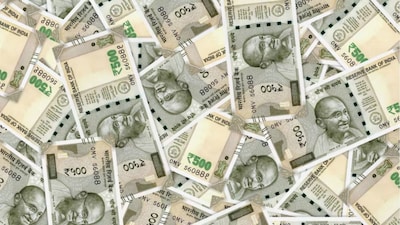
Mahatma Gandhi's portrait first appeared on a regular high-value banknote in October 1987, when the Reserve Bank of India introduced the Rs 500 banknote.
In 1996, the Reserve Bank of India introduced the Mahatma Gandhi Series with enhanced security features like a changed watermark and windowed security thread, making Gandhi's portrait the common feature on banknote fronts.