Stories
Pakistan Takes Chair of UN Borrowers' Club Amid Massive Debt Crisis
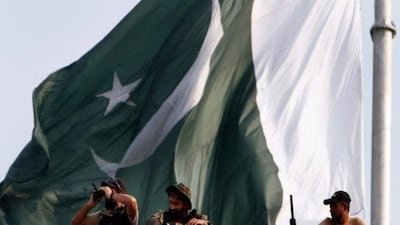
- •Pakistan has assumed the chairmanship of the Governing Council of the Borrowers’ Platform, a UN-backed forum representing over 30 developing nations facing sovereign debt crises.
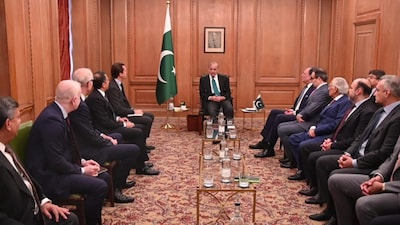
- •Finance Minister Muhammad Aurangzeb accepted the role on October 12 during the IMF-World Bank annual meetings, leveraging Pakistan's extensive bailout and debt management experience.
- •The platform focuses on knowledge and technical sharing regarding fiscal reforms and innovative development financing, rather than acting as a collective bargaining bloc or providing automatic debt relief.
- •Pakistan faces a staggering total external debt and liabilities stock of $138.8 billion, with direct government external public debt standing at $92.2 billion.
- •The country requires between $21.5 billion and $23 billion annually to cover external debt service obligations, heavily relying on bilateral rollovers from allies like China, Saudi Arabia, and the UAE.
Key Questions Answered
The Borrowers' Platform is a UN-backed forum of over 30 developing nations designed to foster cooperation and share data on debt management and structural reforms. Pakistan took over the chairmanship of its Governing Council, with Finance Minister Muhammad Aurangzeb officially accepting the role on October 12 during the IMF-World Bank annual meetings in Bangkok.
No, taking the chair does not grant Pakistan any automatic debt relief, payment holidays, or crisis-management tools to aggressively renegotiate terms for its own liabilities. Finance Minister Aurangzeb clarified that the platform focuses purely on technical cooperation, mutual learning, and development financing models rather than collective bargaining.
Pakistan faces a total external debt and liabilities stock of $138.8 billion, with the government's direct external public debt standing at $92.2 billion. Its largest single lender is the World Bank at $22 billion, followed by the Asian Development Bank at $16.8 billion, the IMF at $9.2 billion, and significant bilateral debt from non-Paris Club nations like China.