Stories
Mumbai T1 Demolition Sparks Flight Relocation Battle
- •The Civil Aviation Ministry is holding a high-level meeting with airlines and MIAL to resolve industry pushback over the partial shifting of flights and upcoming demolition of Terminal 1 at CSMIA.
- •IATA has criticized the forced relocation of flights to Navi Mumbai International Airport ahead of the busy winter schedule starting October 25.
- •Losing T1 reduces CSMIA capacity from 55 million to 40 million passengers a year, causing a squeeze at T2 check-in counters, gates, and stands.
- •MIAL proposed a one-third cut in flights across the board, which airlines argue splits operations and increases costs disproportionately.
- •Passengers face potential challenges with connecting flights and hotel bookings due to the shift between two airports located nearly 40 kilometers apart.
Key Questions Answered
Redevelopment activities and the shifting of international flights from Terminal 2 to Navi Mumbai International Airport begin on October 1, 2026. Subsequently, one-third of Terminal 1 traffic moves to Terminal 2 starting October 25, 2026, while the demolition of the North Section of Terminal 1-B is scheduled for January 15, 2027.
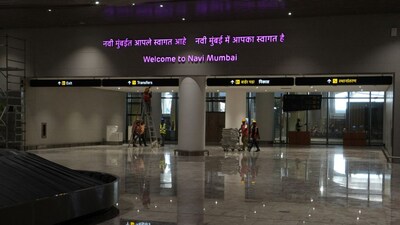
Airlines and IATA view the relocation as forced, and carriers are reluctant to move due to concerns over lower passenger demand and inadequate last-mile connectivity at Navi Mumbai International Airport. Furthermore, a one-third cut across the board splits operations for some carriers on certain days, disproportionately increasing costs and complicating passenger, ground handling, and crew logistics.
Losing Terminal 1 reduces the airport's standalone terminal capacity from approximately 55 million to 40 million passengers a year, though the runway system can still handle the same movements. The resulting capacity squeeze will primarily impact check-in counters, gates, and stands at Terminal 2.