Stories
How Indian American Donors Are Shaping the 2026 US Midterms

- •The 5.2 million-strong Indian American diaspora is emerging as a strategic financial force in the 2026 US midterm elections, punching far above its demographic size.
- •With a median household income exceeding $150,000, Indian American donors are contributing through direct donations, Super PACs, and grassroots digital networks.
- •The donor base has split into two active financial factions, with affluent professionals leaning toward the Republican Party on fiscal issues, while a majority continue to back Democrats.
- •Diaspora capital is heavily targeting competitive suburban districts in states like New Jersey, Texas, Georgia, and Michigan to tilt control of Congress.
- •Donors are using their financial leverage to demand policy commitments on high-skilled immigration, green card backlogs, US-India strategic ties, and economic growth.
Key Questions Answered
Indian-American donors are contributing through direct candidate donations subject to federal caps, high-dollar Super PAC contributions for independent expenditures, and grassroots digital bundling networks that pool micro-donations nationwide. Their early-stage funding acts like angel investing, providing crucial seed capital for field operations and advertising before primary fields clear.
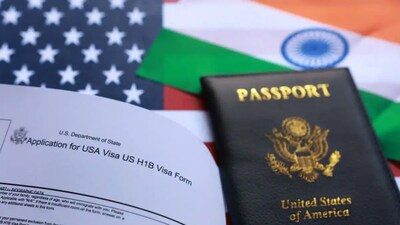
Indian-American donors across the political spectrum are using their financial leverage to demand legislative action on high-skilled immigration and multi-decade green card backlogs, including removing per-country limits and streamlining H-1B visas. They also advocate for strong US-India strategic ties, small business incentives, taxation policies, and public safety issues.
Diaspora donors and political organisations are targeting competitive suburban districts such as New Jersey's 7th, 6th, and 12th congressional districts, Texas's 3rd and 22nd districts, and Georgia's 7th district. Additional campaign spending funded by community networks is flowing into suburban battlegrounds surrounding Detroit, Michigan, and Northern Virginia’s 10th Congressional District.