Stories
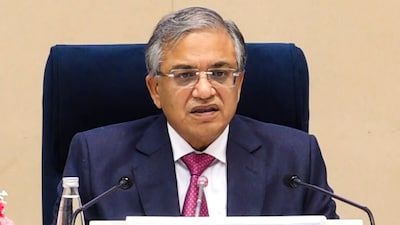
Gyanesh Kumar Removal Demands: Opposition Seeks CEC Resignation Amidst ECI Rift

- •Demands for CEC Gyanesh Kumar's resignation are rising due to an internal rift within the Election Commission of India (ECI), with two other Election Commissioners reportedly dissenting 14 times against his decisions.
- •The INDIA Bloc, Congress, and regional opposition leaders accuse Kumar of "vote theft," authoritarian functioning, and manipulating electoral rolls through the Special Intensive Revision (SIR) exercise.
- •Allegations include mass voter deletions, bypassing the full Commission on major policy changes, and unauthorized structural modifications to voter registration rules.
- •The process to remove a CEC is similar to impeaching a Supreme Court judge, requiring a parliamentary vote with a special majority after an inquiry into proved misbehavior or incapacity.
- •Section 16 of the 2023 Act protects the CEC from civil or criminal court proceedings for official actions but does not grant immunity from parliamentary accountability or constitutional removal processes.
Key Questions Answered
Under Article 324(5) of the Constitution, removing the Chief Election Commissioner requires a formal notice signed by at least 100 Lok Sabha MPs or 50 Rajya Sabha MPs. If an appointed inquiry committee finds the CEC guilty of proved misbehaviour or incapacity, both houses of Parliament must pass a motion with a two-thirds special majority before the President can issue a removal order.
Section 16 of the 2023 Act shields the Chief Election Commissioner and Election Commissioners from civil or criminal legal proceedings and lawsuits in regular courts for official actions performed during their duties. However, this statutory protection only blocks external judicial litigation and does not prevent constitutional accountability or the parliamentary removal process.
The opposition demands Kumar's resignation due to allegations of vote theft, authoritarian functioning, and mass voter deletions through the Special Intensive Revision (SIR) of electoral rolls. Additionally, reports revealed that the other two Election Commissioners formally recorded dissent at least 14 times against decisions pushed through by the CEC without proper consensus.