Stories
Gyanesh Kumar: From Article 370 to SIR Row, India's CEC Faces Scrutiny
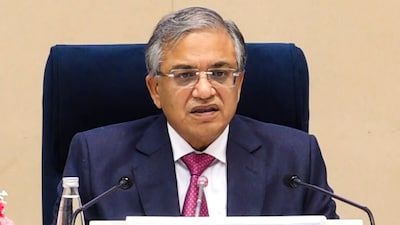
- •Gyanesh Kumar, India's 26th Chief Election Commissioner, took office in February 2025, with previous roles including work on Article 370 abrogation and the Ram Janmabhoomi trust.
- •His tenure faces scrutiny after an Indian Express investigation reported that Election Commissioners Sukhbir Singh Sandhu and Vivek Joshi formally objected multiple times to decisions made without their knowledge, particularly concerning the Special Intensive Revision (SIR) of electoral rolls.
- •The Election Commission maintains that differences of opinion are normal, and final decisions, including those related to SIR, were unanimous, though Sandhu and Joshi have not publicly commented.
- •Kumar, a 1988-batch IAS officer, previously held senior positions in the Kerala government and central ministries, including Defence, Home Affairs, Parliamentary Affairs, and Cooperation.
- •The controversy highlights the significance of the Election Commission as a three-member constitutional body, where business is ideally transacted unanimously, with differences decided by majority.
Key Questions Answered
An Indian Express investigation revealed that Election Commissioners Sukhbir Singh Sandhu and Vivek Joshi formally objected at least 14 times over 10 months to decisions and orders issued without their knowledge, particularly regarding the Special Intensive Revision of electoral rolls. In response, opposition parties and groups like the Indian Youth Congress demanded his resignation and pressed for impeachment.
The process for removing the Chief Election Commissioner is similar to that for removing a Supreme Court or high court judge, requiring proven misbehaviour or incapacity. A removal motion may be introduced in either House of Parliament and must be passed by a special majority, requiring signatures from at least 100 MPs in the Lok Sabha and 50 MPs in the Rajya Sabha.
The objections raised by the two Election Commissioners concerned the registration of new voters, the deletion and restoration of names, changes to voter registration Form 6, and the centralisation of the electoral roll database. While the Election Commission maintained that final decisions were unanimous and differences are normal, critics argue these actions compromised voter rights.