Stories
Barapullah Jam: Drone Survey Reveals More Than Just New Road's Fault
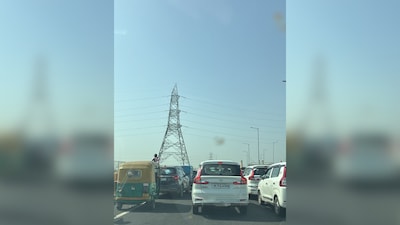
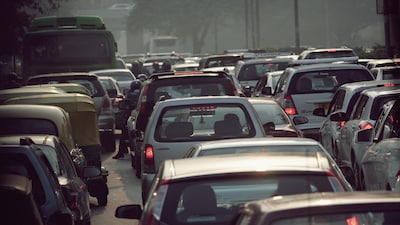
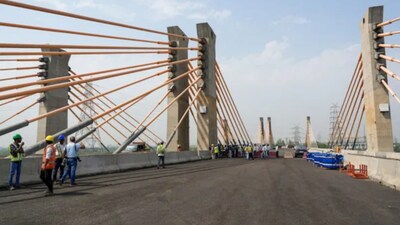
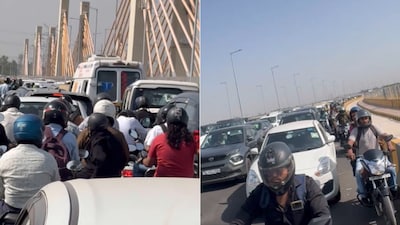
- •The newly opened Barapullah Phase III corridor, promised to cut commute times to 15 minutes, caused two-hour jams within two days, leading to a drone survey and joint meeting with PWD.
- •Police found the new road isn't the sole culprit; the three-lane Phase III feeds into a two-lane existing stretch, and multiple traffic streams converge on the older, less capacious flyover.
- •Key bottlenecks include Sarai Kale Khan, where traffic from Sundial Park abruptly merges, and the older section near Guru Harkrishan Medical Institute.
- •Driver behavior, such as last-minute lane changes and wrong-side driving, was also flagged as contributing to the congestion.
- •Google Maps potentially exacerbated the issue by routing motorists to the new corridor, which appeared smooth online but lacked accurate real-time traffic data.
Key Questions Answered
The congestion was primarily caused by a sudden bottleneck where the new three-lane corridor feeds into the existing two-lane Barapullah stretch, along with merging traffic streams near Sarai Kale Khan and poor driver behavior like lane cutting and wrong-side driving. Additionally, navigation apps like Google Maps directed heavy traffic onto the new road before it could stabilize.
Officials are implementing stopgap measures including physical channelisation with cones and barricades for smoother merging, deploying traffic personnel for manual regulation during peak hours, and exploring traffic diversions toward NH-24. They have also requested routing corrections from Google Maps to better reflect real-time road conditions.
Approved in 2014 with construction starting in 2015, the project faced nearly nine years of delays due to land acquisition issues, environmental clearances near the Yamuna floodplain, and pandemic-related setbacks. Originally scheduled to finish in 2017, its cost increased from an initial estimate of Rs 1,260 crore to approximately Rs 1,635 crore.