Stories
Barapullah Phase-III Corridor Faces Major Traffic Bottleneck
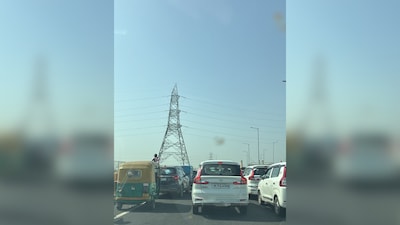
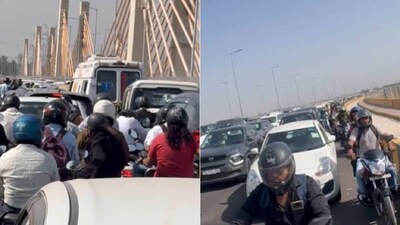
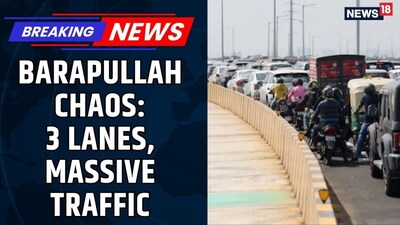
- •Commuters faced severe delays on the Mayur Vihar-AIIMS route due to traffic congestion on the newly opened Barapullah Phase-III corridor.
- •Delhi Traffic Police reported that the main bottleneck occurs where traffic from eight to nine lanes merges into just three lanes on the old Barapullah flyover.
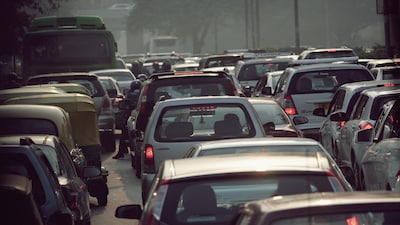
- •Frustrated motorists took to X to share their experiences of crawling traffic and bumper-to-bumper jams during the morning rush hour.
- •Traffic personnel have been deployed at the merging points to regulate vehicle movement, while police noted that Google Maps failed to reflect the actual delays.
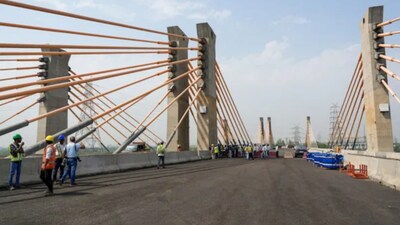
- •The corridor was recently inaugurated to improve connectivity between Mayur Vihar and south Delhi, but peak hour congestion has emerged as a major concern.
Key Questions Answered
The primary bottleneck occurs on the old Barapullah flyover, where traffic coming from eight to nine lanes across multiple approach routes converges into just three lanes. The new Phase-III flyover, the Sarai Kale Khan and DND loops, and the existing flyover all feed into this single point, causing severe congestion during morning peak hours.
The Barapullah Phase-III corridor was inaugurated by Union Home Minister Amit Shah and Delhi Chief Minister Rekha Gupta, alongside other Delhi ministers.
The approximately 3.5-kilometer elevated corridor connects Mayur Vihar Phase I with Sarai Kale Khan, linking to the existing Barapullah network to create a 9-kilometer signal-free route toward AIIMS and South Delhi. Once fully operational and free of bottlenecks, the corridor aims to reduce travel time between Mayur Vihar and AIIMS to about 15 minutes.