Stories
India Can't Wish China Away: Sanjeev Sanyal on Strategic Engagement

- •PM Modi's EAC member Sanjeev Sanyal states India cannot exclude China from its economic strategy despite geopolitical concerns.
- •Sanyal emphasizes engaging Beijing while diversifying trade and supply-chain relationships, calling China the world's largest industrial country and a major input source.
- •India needs to be nimble, developing multiple trade and investment partnerships, moving from 'just in time to just in case' for supply-chain resilience.
- •While monitoring and limiting Chinese involvement in sensitive sectors like telecom, Sanyal argues against preventing trade in other areas like ready-made garments.
- •India is moving towards greater engagement with China on its own terms, maintaining flexibility and a multi-aligned approach in a shifting global geopolitical landscape.
Key Questions Answered
Sanjeev Sanyal stated that India cannot afford to completely exclude or wish away China given its status as the world's largest industrial country and a major source of critical industrial inputs. While advocating for trade diversification and supply-chain resilience, he emphasized that India must pragmatically engage Beijing while simultaneously monitoring and limiting Chinese involvement in sensitive sectors like telecommunications to protect national infrastructure.
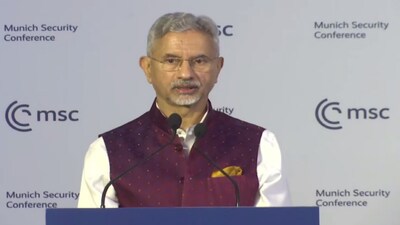
Quoting External Affairs Minister S Jaishankar, Sanyal noted that the global focus has shifted from "just in time" to "just in case" supply-chain strategies. To maintain flexibility amid geopolitical disruptions, India is pursuing trade agreements with economies like Australia and the UK, continuing negotiations with Canada and the EU, and maintaining strategic engagement with Washington.
Sanyal indicated that India is moving toward greater economic engagement through changes to Press Note 3, but is doing so strictly at its own pace and on its own terms. While trade in certain areas like ready-made garments is welcome, India remains vigilant in preventing foreign control over critical infrastructure such as telecommunications to address core strategic security concerns.