Stories
BS VII Explained: India Prepares for New Emission Norms

- •The Ministry of Road Transport and Highways approved a proposed rollout schedule for Bharat Stage VII, starting in April 2029 and completing by April 2035.
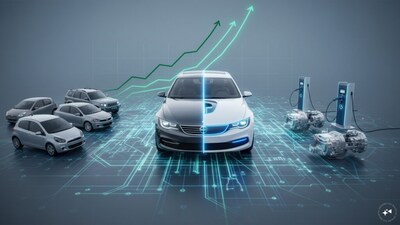
- •The upcoming norms will extend vehicle regulation to electric cars by setting limits on brake-particle emissions and tyre abrasion requirements.
- •Proposed rules cover petrol, diesel, CNG, ethanol blends, hydrogen, and hybrids, with EVs also facing energy-consumption and battery-performance standards.
- •Vehicles must meet emission standards for up to eight years or 160,000 km, and manufacturers must ensure battery durability for passenger EVs and plug-in hybrids.
- •Existing BS VI vehicle registrations are not automatically cancelled by the proposal, though new testing and component development may impact manufacturing costs.
Key Questions Answered
India's Ministry of Road Transport and Highways has approved a rollout schedule for Bharat Stage VII norms starting in April 2029 for new cars and SUVs, with the final phase scheduled for April 2035. Light goods vehicles will follow in April 2030, and buses and heavy commercial vehicles will join in April 2031.
From April 2031, the framework will introduce limits on brake-particle emissions and tyre abrasion requirements. The draft caps brake-particle mass emissions at 3 milligrams per kilometre for pure EVs and 7 mg per kilometre for other specified powertrain categories.
For passenger EVs and plug-in hybrids, the draft proposes a minimum retention of 75 per cent of initial battery energy during the first five years or 100,000 km. This requirement drops to 67 per cent, extending up to eight years or 160,000 km, whichever boundary arrives first.