Stories
CAFE-3 Norms Notified: EVs Get 3x Credit, No Separate Small-Car Benefit
- •India notifies Corporate Average Fuel Economy (CAFE-3) norms for passenger vehicles, effective April 1, 2027, to March 31, 2032, impacting M1-category vehicles.
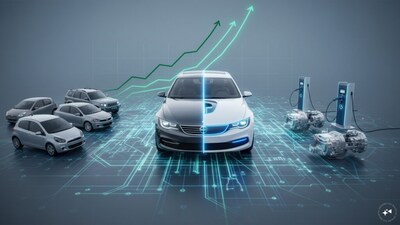
- •Electric vehicles (BEVs/REEVs) receive a 3x credit multiplier for fleet performance calculations, boosting EV adoption.
- •The final rules remove the separate CAFE concession for small petrol cars weighing up to 909 kg, a change from earlier proposals.
- •CAFE targets are now calculated based on the weighted average unladen weight of new vehicles, with a reference weight of 1,229 kg, influencing manufacturers' fleet mix.
- •A credit-debit system is introduced, allowing manufacturers to earn, carry forward, or trade credits, with options to buy credits from the Bureau of Energy Efficiency.
Key Questions Answered
India has notified the Corporate Average Fuel Economy (CAFE-3) norms for M1-category passenger vehicles, which cover cars, hatchbacks, sedans, SUVs, and MPVs with up to eight passenger seats besides the driver. These new fuel-efficiency and CO2 requirements take effect from April 1, 2027, and run through March 31, 2032.
The final rules remove the separate CAFE concession previously proposed for small petrol cars weighing up to 909 kg. Instead, targets are calculated based on a weighted average unladen vehicle weight with a reference weight set at 1,229 kg, and an annual weight multiplier that declines from 0.00158 in FY28 to 0.00131 in FY32.
Battery electric vehicles (BEVs) and range-extended electric vehicles (REEVs) receive a 3x super-credit factor, while plug-in hybrids and strong flex-fuel hybrids get 2.5x, strong hybrids get 1.6x, and flex-fuel vehicles get 1.1x. Additionally, carmakers can trade credits or buy deficits from the Bureau of Energy Efficiency, with prices starting at ₹2,500 per g CO2/km in FY28.